Ipe Decking Cost: $10-$25/sq ft for a 40–75 Year Deck
The densest, longest-lived natural decking money buys — at a price. Here's what ipe and other tropical hardwoods really cost and whether they're worth it in 2026.
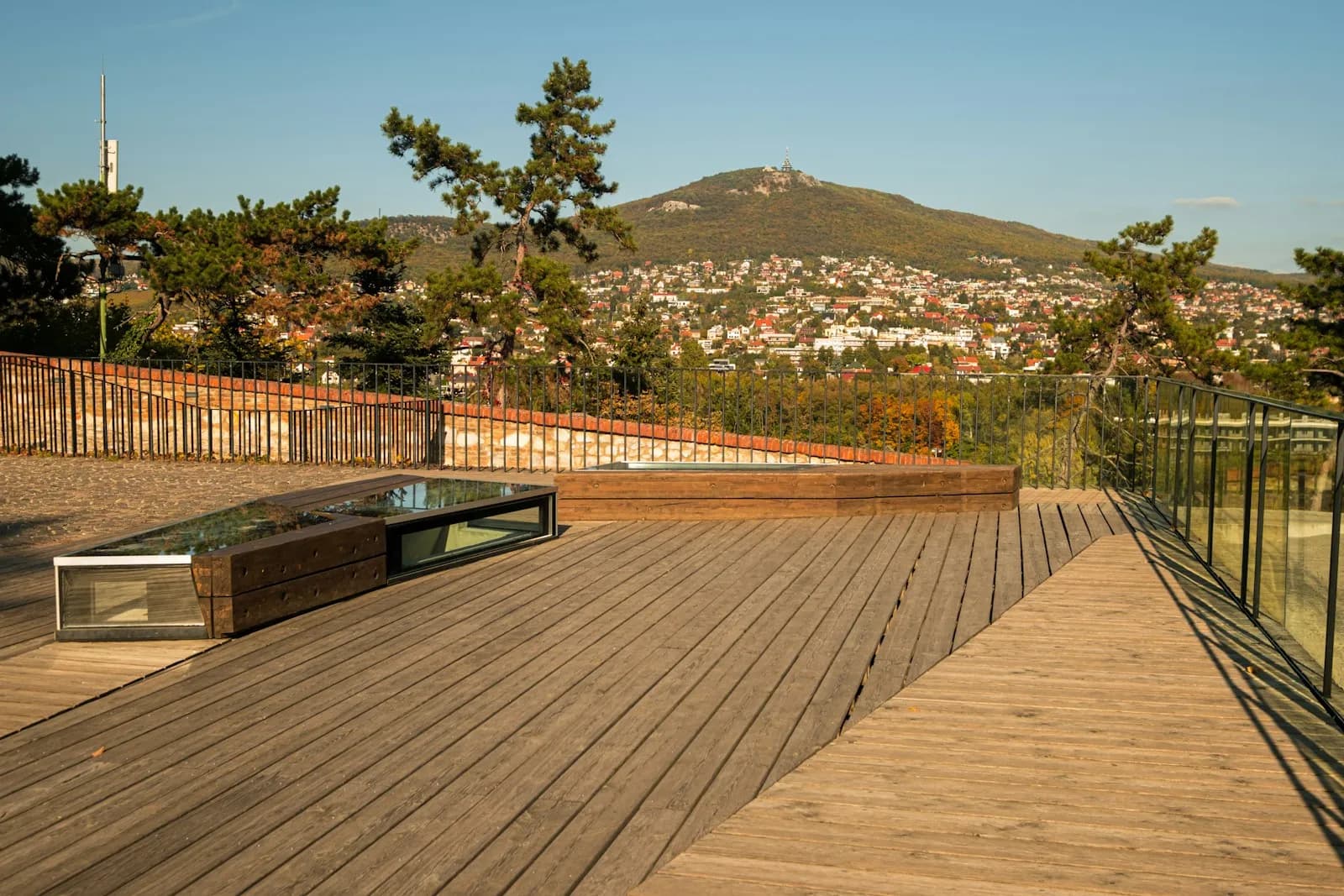
Ipe (pronounced EE-pay) and other tropical hardwoods like cumaru and tigerwood run about $10–$25 per square foot for boards — as much as composite or PVC — but they're natural wood that can last 40–75 years. They're extraordinarily hard and dense (ipe is roughly three times harder than oak), naturally rot- and insect-resistant, and stunning. The trade-offs: they're heavy, hard to work, need special fasteners, and require oiling to keep their color. Here's the honest breakdown.
The 30-second answer
Choose ipe or a tropical hardwood if you want the most premium, longest-lived *natural* deck and you're willing to pay composite-level prices, do more careful installation, and oil it to keep the color. Choose something else if you want low maintenance for the money (go composite/PVC) or a budget wood deck (go pressure-treated). Price it precisely with the ipe deck cost calculator.
| Wood | Board cost / sq ft | Lifespan | Hardness (Janka) |
|---|---|---|---|
| Ipe | $10–$25 | 40–75 yrs | ~3,500 (very hard) |
| Cumaru | $8–$18 | 30–40 yrs | ~3,300 |
| Tigerwood | $8–$16 | 25–30 yrs | ~2,100 |
| (Cedar, for reference) | $6–$12 | 15–20 yrs | ~350 (soft) |
Why ipe costs what composite costs
It surprises people that a natural wood can cost as much as engineered composite. Ipe is a slow-growing dense hardwood harvested from Central and South American forests; the raw material is expensive, milling the ultra-hard wood is tough on tooling, and shipping the heavy boards adds up. You're paying for density and longevity — an ipe deck can outlast two or three pressure-treated ones.
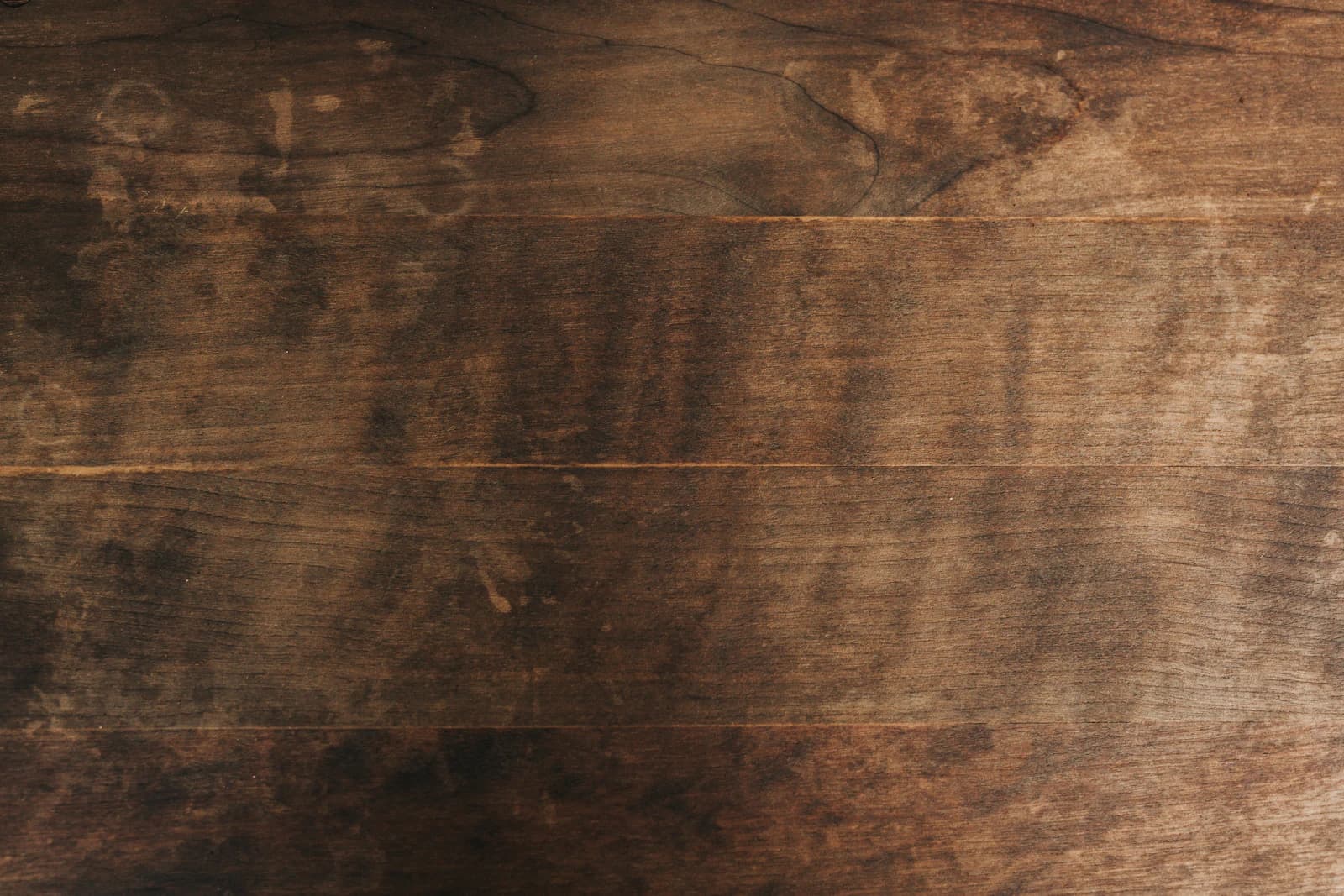
For comparison with the cheaper natural options, see cedar vs pressure-treated; to weigh hardwood against synthetic, see composite vs wood.
Durability and hardness
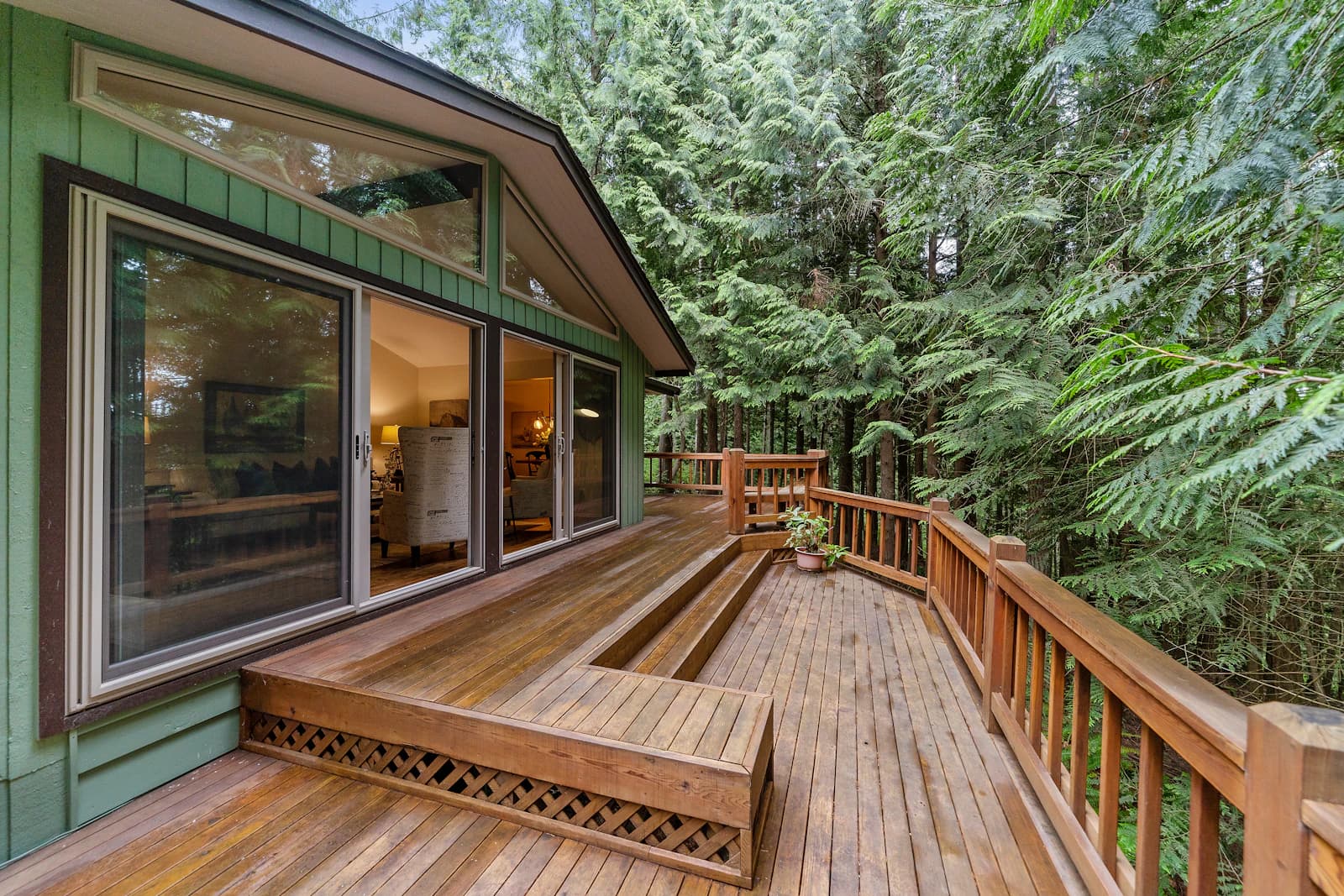
Ipe's numbers are genuinely exceptional: a Janka hardness around 3,500 (versus ~350 for cedar and ~690 for pressure-treated pine), Class A fire rating equal to concrete and steel, and natural resistance to rot, decay and even termites without any chemical treatment. Left to weather it silvers gracefully; oiled, it holds a deep brown. A well-built ipe deck routinely lasts 40+ years, which is why it's specified for boardwalks and commercial decks.
The real trade-offs
- Hard to work: ipe dulls blades fast, needs pre-drilling for every fastener, and is heavy to handle — installation labor runs higher than softwoods.
- Special fasteners: hidden clips or stainless hardware are the norm; ordinary screws struggle in the dense wood.
- Maintenance for color: ipe doesn't rot if left bare, but it will silver — keeping the brown means re-oiling with a UV oil every 1–2 years.
- Weight & structure: hardwood is dense and heavy; confirm the framing and footings are sized for the load.
- Sourcing: buy FSC-certified stock — some tropical hardwood is illegally logged. Reputable suppliers document origin.
Is ipe worth it?
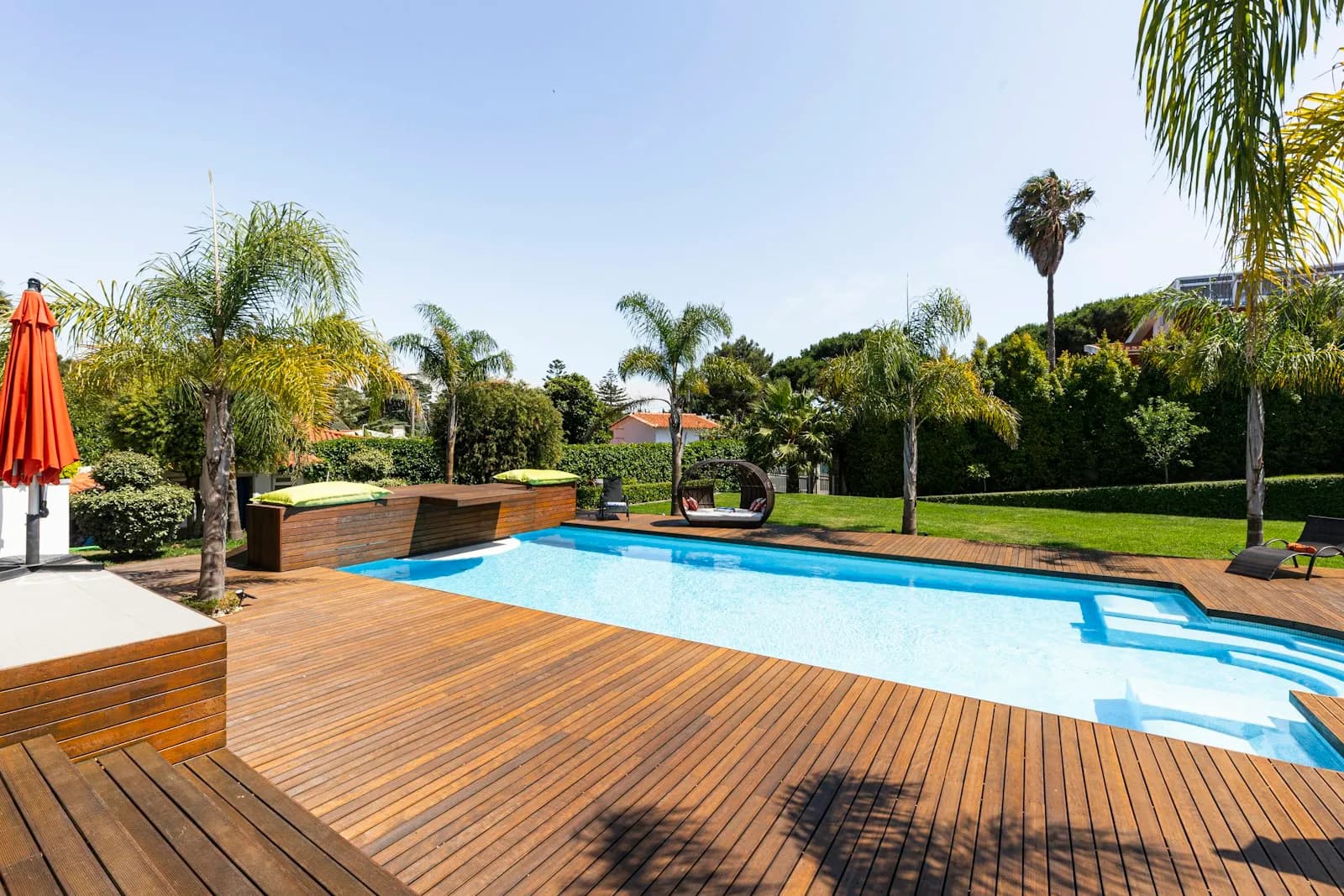
- Worth it if: you want a genuine premium natural deck, you'll keep it oiled (or love the silver look), and you value a 40–75 year lifespan over lower upkeep.
- Not worth it if: your goal is low maintenance for the price — composite/PVC gives you no-oil durability at a similar cost.
- Not worth it if: you're on a budget — pressure-treated builds a solid deck for a third of the price.
Frequently asked questions
How much does ipe decking cost?
Ipe boards run about $10 to $25 per square foot in 2026, which puts a natural wood at the same price as composite or PVC. The spread inside that range comes from grade, board width and how much clear stock your supplier is holding. Other tropical hardwoods undercut it slightly: cumaru runs about $8 to $18 and tigerwood about $8 to $16, against $6 to $12 for cedar. Boards are only part of the bill, though. Ipe costs more to install than any softwood because every fastener has to be pre-drilled, the density dulls blades quickly, and the boards are heavy enough to slow two-person handling. Budget for stainless hardware or hidden clips as well, since ordinary deck screws struggle in wood this dense. The framing underneath is still pressure-treated lumber at ordinary prices, but it has to be sized for the extra weight rather than trimmed to the minimum.
How long does an ipe deck last?
Routinely 40 to 75 years, and that is the whole argument for the material. The durability is structural rather than applied: ipe is dense enough to resist rot, decay and termites with no chemical treatment at all, and it carries a Class A fire rating, the same class as concrete and steel. For comparison, cedar gives you 15 to 20 years and pressure-treated pine 15 to 25, so a single ipe deck can outlast two or three pressure-treated ones built in the same spot. Cumaru lands at 30 to 40 years and tigerwood at 25 to 30, which is why ipe holds its premium within the hardwood family too. This is also why ipe turns up on commercial boardwalks, where replacement cycles are budgeted in decades. The lifespan does depend on framing: a hardwood surface over undersized joists fails at the joists.
Does ipe decking need to be sealed or oiled?
Not for protection, only for colour, and that distinction saves people a lot of unnecessary work. Left completely bare, ipe does not rot, does not need a preservative and will simply weather from its deep brown to a soft silver-grey, much like teak on a boat. Many owners prefer that look and never oil the deck at all. If you want to keep the brown, plan on a UV-blocking hardwood oil every one to two years, applied to a clean dry surface. That is a real recurring commitment on a large deck and should be priced into the decision alongside the boards. What ipe never needs is the film-forming stain or sealer cycle that softwood decks live on, because there is no decay risk to manage. Compare that with composite, which asks for soap and water and nothing else, and the maintenance question becomes a question about how much you care about colour.
Is ipe worth the money?
It is worth it if you specifically want the longest-lived natural wood deck money buys, and you will either oil it or genuinely like the silvered look. On those terms nothing else competes: 40 to 75 years of service from a board with a Janka hardness near 3,500, roughly three times harder than oak and ten times harder than cedar. It is not worth it in two common cases. If your goal is low maintenance for the price, composite or PVC costs about the same per square foot and asks for nothing but washing, so you are paying hardwood installation costs for extra upkeep. If your goal is a solid deck on a budget, pressure-treated builds one for roughly a third of the material cost and can be replaced twice before an ipe deck needs attention. Ipe is a preference purchase, and an honest one only when the preference is for real wood.
Is ipe decking hard to install?
Yes, and it is the part homeowners underestimate. The density that makes ipe last is the same property that fights the tools: blades dull noticeably faster, every single fastener needs a pre-drilled pilot hole, and ordinary deck screws will snap or strip rather than pull the board down. The standard approach is hidden clips or stainless hardware, both of which add material cost and installation time. The boards are also heavy, which slows handling and makes long runs a two-person job. Expect labour to come in above any softwood deck of the same size, whether you are paying for it or spending your own weekends. Two planning points follow. Size the framing for the extra dead weight rather than to the bare minimum span, and order slightly more material than usual, because a miscut in a board this expensive hurts more than it does in cedar.
Related calculators
Related guides
Get matched
Want 2–3 free quotes for this exact deck?
We'll send your plan to vetted local builders. Free, no obligation.