Cedar vs Pressure-Treated Decking: Cost & Value 2026
Two natural-wood favorites, two very different value stories. Here's the honest 2026 breakdown on price, lifespan, upkeep and looks.
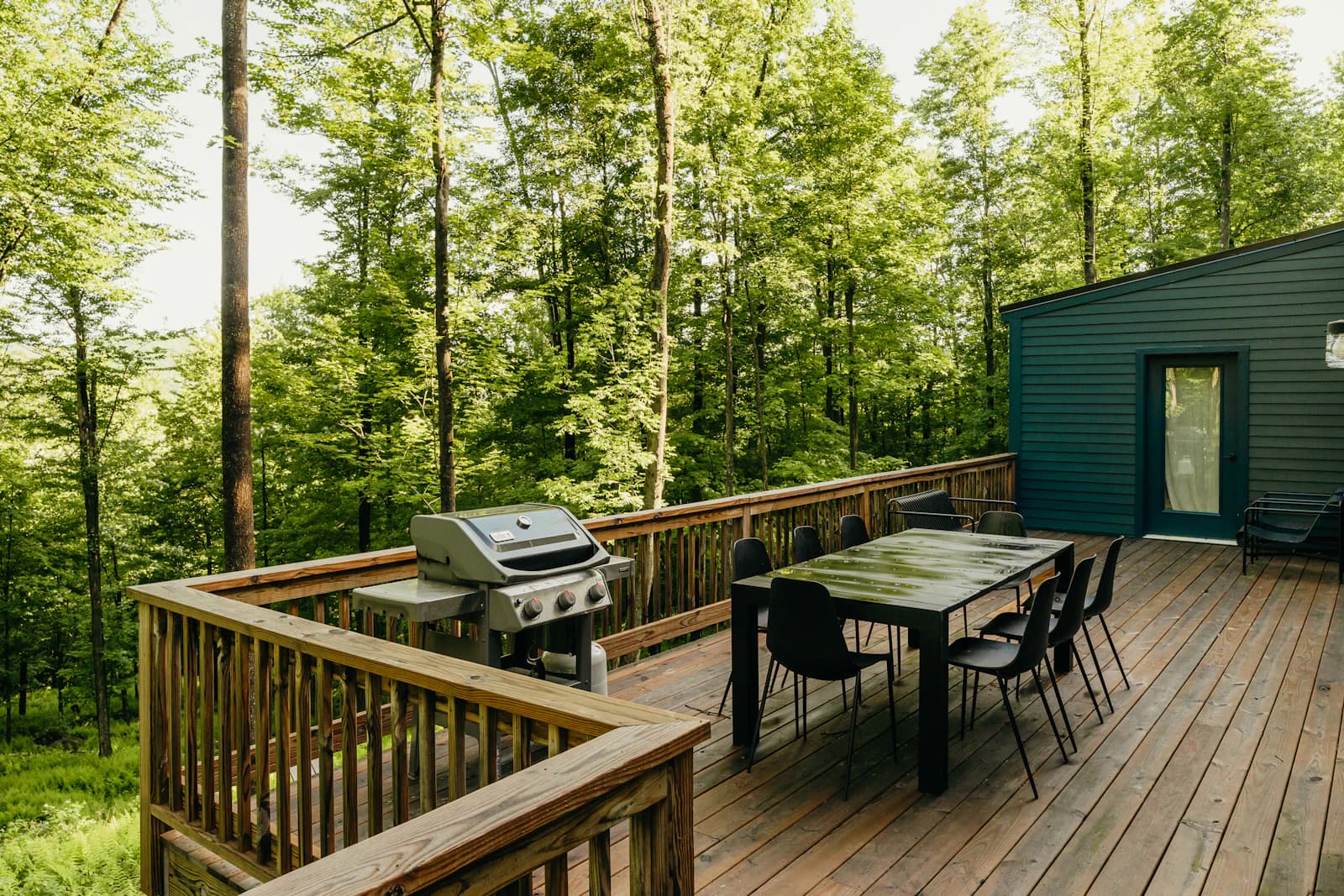
Pressure-treated (PT) pine is the cheapest way to build a real wood deck — about $3–$6 per square foot for boards — while western red cedar runs roughly $6–$12 and buys you a richer look and natural rot resistance. Neither escapes maintenance. Below is the side-by-side on cost, lifespan, upkeep, and which one actually holds its value in 2026.
The 30-second answer
Choose pressure-treated pine if up-front price is the priority and you don't mind sealing it every 1–2 years. Choose cedar if you want a warmer, knot-free natural look and a board that stays cooler underfoot and resists cupping — and you're willing to pay 1.5–2× more and still maintain it. For an exact number on your deck, run your size and material through the deck cost calculator; it splits out boards, framing, and labor so you can compare the two fairly.
Cost per square foot in 2026
Material is only part of a deck's cost — framing, footings, railings and labor usually dominate — but the decking surface is where cedar and PT actually diverge. These are 2026 installed-material ranges for the boards themselves:
| Decking | Board cost / sq ft | Typical installed / sq ft | Notes |
|---|---|---|---|
| Pressure-treated pine | $3–$6 | $20–$35 | Cheapest entry to a wood deck |
| Western red cedar | $6–$12 | $28–$45 | Premium natural wood, knot-free grades cost more |
| (Composite, for reference) | $8–$18 | $35–$60 | No sealing, but higher up-front — see the composite guide |
So on a 320 sq ft deck, the decking-board line item might be ~$1,300 for PT versus ~$2,600 for cedar — a real gap, but often only 10–20% of the total project once framing and labor are added. The deck material calculator gives you an exact board-and-fastener count so the comparison isn't a guess.
Lifespan and durability
Pressure-treated lumber is Southern yellow pine forced full of preservatives so it resists rot and insects — the American Wood Council and treaters rate properly maintained PT at 15–25+ years for the structure. The catch: PT is dimensionally unstable. It ships wet, then shrinks, checks and can twist as it dries, so warped boards and popped fasteners are common in year one.
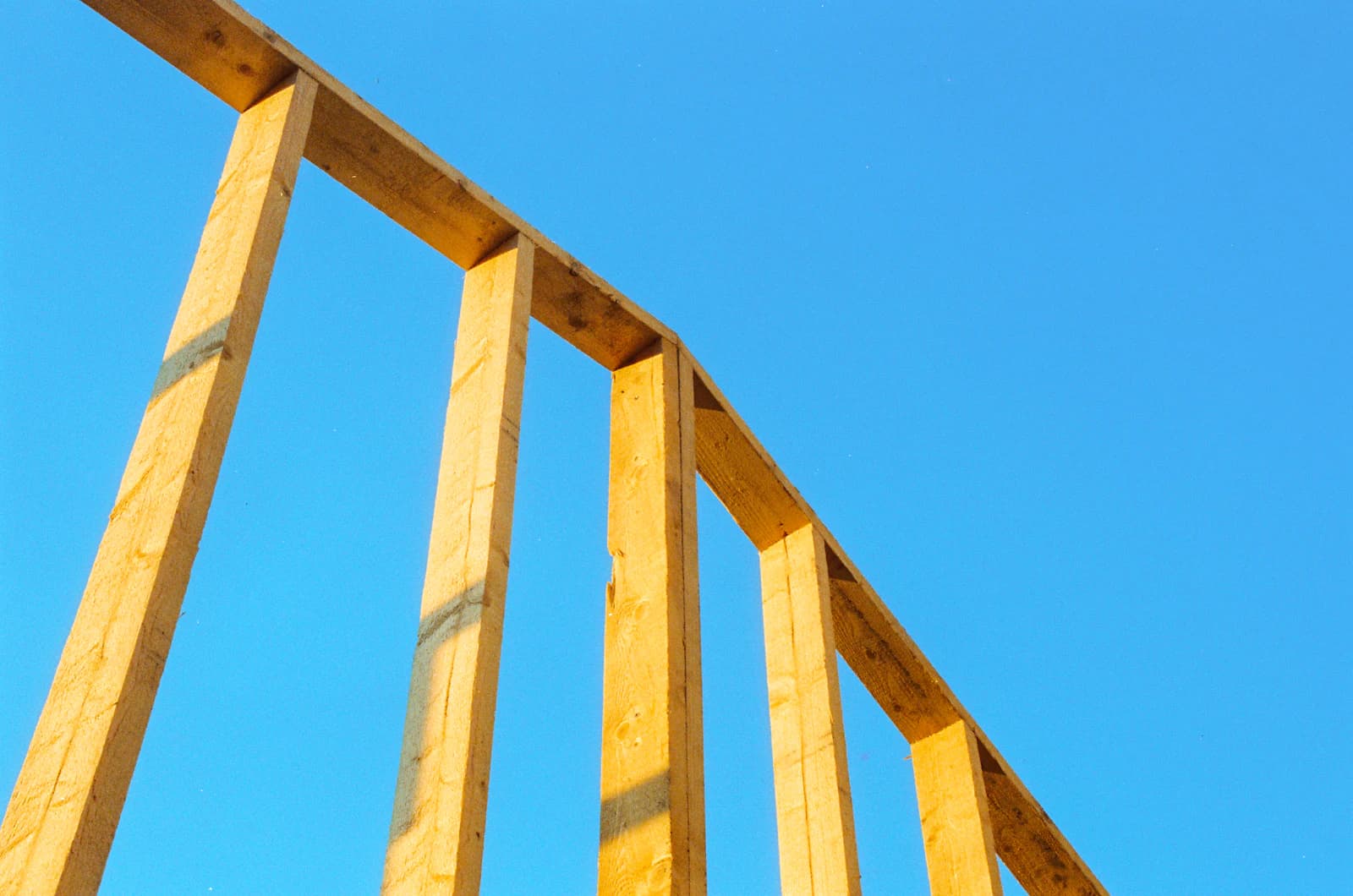
Cedar isn't pressure-treated; its natural oils (thujaplicins) give it rot and insect resistance. Left to weather it lasts 15–20 years; kept sealed, longer. Cedar is lighter, softer and more stable than PT — it lies flatter and cups less — but that softness means it dents and scratches more easily and the fibers wear faster in high-traffic zones.
| Factor | Pressure-treated pine | Western red cedar |
|---|---|---|
| Rot / insect resistance | Chemical (preservative) | Natural (oils) |
| Lifespan (maintained) | 15–25+ yrs | 15–20+ yrs |
| Stability (cup/twist) | Poor when it dries | Good — stays flat |
| Hardness / dent resistance | Harder | Softer, dents easier |
| Heat underfoot | Warmer | Cooler |
Maintenance: neither is 'no-maintenance'
This is where wood loses to composite, and where the two woods are more alike than different. Both need cleaning and a fresh coat of penetrating stain or sealer on a cycle — skip it and PT grays and checks while cedar grays and gets fuzzy.

- Pressure-treated: wait for it to dry out (often a few months on a new deck), then seal. Re-clean and re-seal every 1–2 years.
- Cedar: seal sooner and more often to protect the softer fibers; a UV-blocking semi-transparent stain keeps the color from silvering.
- Budget $0.50–$1.50 per sq ft in materials per reseal, or hire it out for more.
Want the full routine and a realistic upkeep budget? See the deck maintenance guide. If low upkeep is your real goal, weigh both against composite in the composite vs wood comparison.
Looks, feel and resale value
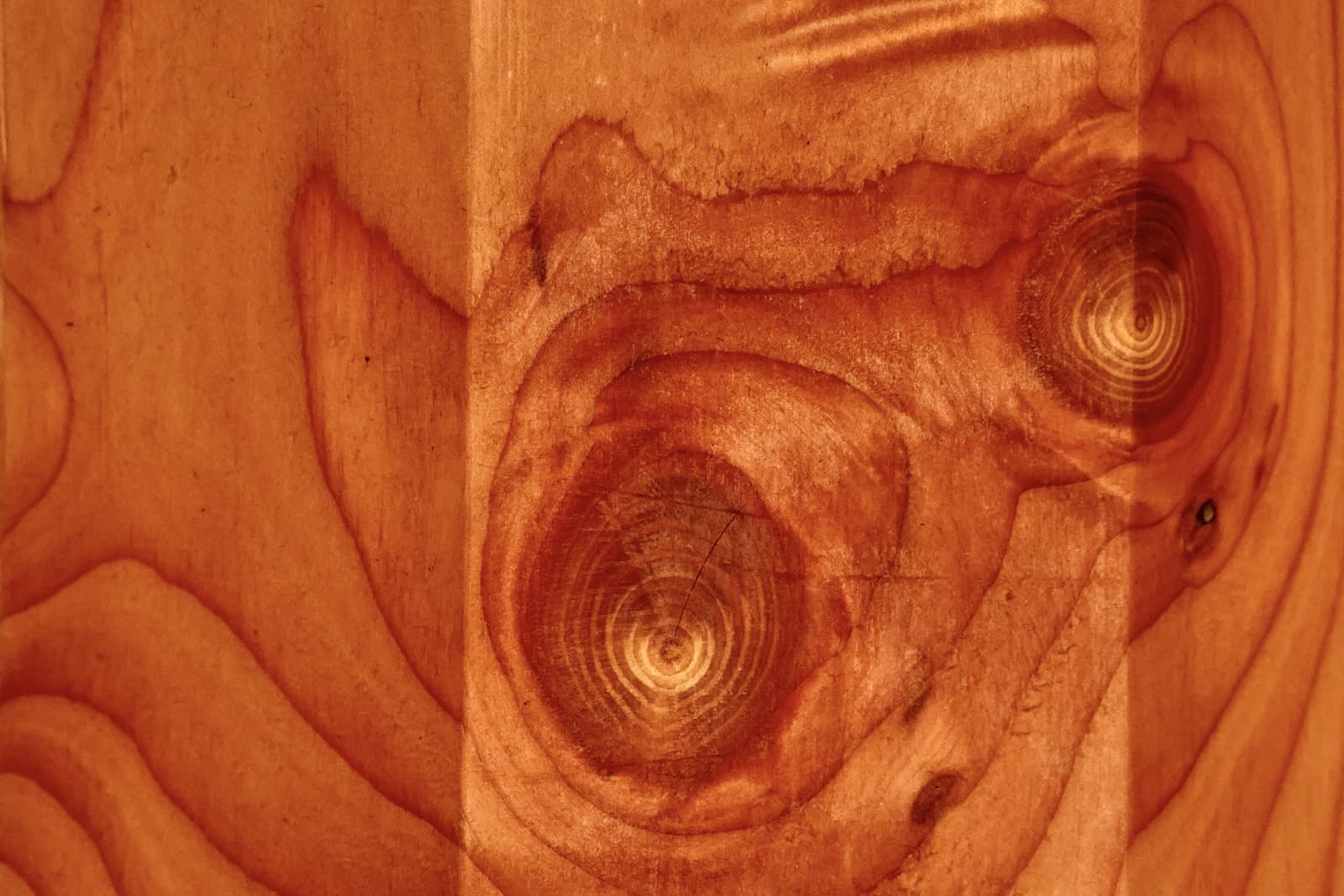
Cedar wins on looks for most buyers: tight, mostly knot-free grain, a warm reddish-brown tone, and it takes semi-transparent stain beautifully. It also stays noticeably cooler than PT in direct sun and feels softer underfoot. PT's grain is coarser and greener-to-tan, with more knots, though it stains fine once dry.
For resale, a well-kept wood deck of either species adds value, but neither dramatically out-returns the other on paper — condition matters more than species. If you're weighing what a deck does for your home's worth, the payback math is covered in the 25-year cost-of-ownership guide.
Which should you build?
Build pressure-treated if…
- Up-front budget is the deciding factor.
- The deck is large and the material gap would be significant.
- You're comfortable sealing a slightly rougher board on a regular cycle.
Build cedar if…
- You want the warmest natural look and a cooler, softer surface.
- You value dimensional stability (fewer warped, twisted boards).
- You'll keep up with sealing to protect the softer wood.
Both are legitimate choices — the framing under them is pressure-treated either way, and both must meet the same IRC deck provisions for footings, joists and railings. Get the surface you'll enjoy and can keep up with, then let the cost calculator confirm the number before you sign a quote.
Frequently asked questions
Is cedar or pressure-treated decking cheaper?
Pressure-treated pine is cheaper, at roughly $3 to $6 per square foot for boards against $6 to $12 for western red cedar in 2026. Installed, that reads as about $20 to $35 per square foot for pressure-treated and $28 to $45 for cedar. On a 320 square foot deck the decking line item is therefore around $1,300 in pressure-treated and around $2,600 in cedar, which sounds decisive until you put it against the whole project. Framing, footings, railings and labour usually dominate the bill, so the species choice typically moves the total by only 10 to 20 percent. Region matters too: cedar ships from the Pacific Northwest, so it is priciest in the Midwest and East, while pressure-treated pine is cheap almost everywhere. If the deck is large, the gap becomes real money and pressure-treated has a genuine argument. If it is small, you are arguing over a few hundred dollars on a deck you look at daily.
Does cedar last longer than pressure-treated wood?
Usually not, which surprises people who assume the pricier wood lasts longer. Pressure-treated southern yellow pine is forced full of preservatives and, maintained, is rated at 15 to 25 or more years. Cedar relies on its own oils, the thujaplicins, and gives 15 to 20 or more years weathered, longer if kept sealed. So structurally they are close and pressure-treated often edges it. What differs is how each one ages. Pressure-treated ships wet and then shrinks, checks and can twist as it dries, so warped boards and popped fasteners are common in the first year. Cedar is lighter and more dimensionally stable, lying flatter and cupping less, but it is softer, so it dents and scratches more readily and wears faster in traffic lanes. In practice cedar tends to look better for longer while pressure-treated tends to stay serviceable for longer.
Which needs less maintenance, cedar or pressure-treated?
Neither, and this is where both woods lose to composite. Both need washing and a fresh coat of penetrating stain or sealer on a one to two year cycle. Skip it and the failure modes differ only cosmetically: pressure-treated greys and checks, cedar greys and goes fuzzy. The sequencing does differ. New pressure-treated lumber usually has to dry for a few months before it will accept a finish at all, so a new deck waits before its first seal. Cedar wants sealing sooner and slightly more often, because its softer fibres benefit from the protection and a UV-blocking semi-transparent stain is what holds the reddish-brown against silvering. Budget about $0.50 to $1.50 per square foot in materials for each reseal if you do the work yourself, more if you hire it out. If low upkeep is the actual goal, the honest answer is to compare both against composite.
Can you stain pressure-treated decking to look like cedar?
Yes, and it is one of the better value moves in decking. Once new pressure-treated lumber has dried out, which commonly takes a few months on a fresh deck, a cedar-tone semi-transparent stain produces a warm reddish colour close to cedar for a fraction of the material cost. Test a board first, because treated pine varies from green to tan underneath and that base colour shifts the result. What staining cannot change is texture. Pressure-treated grain is coarser and carries more knots, so up close the board still reads as pine, particularly at cut ends and around fasteners. It also does not change behaviour: the boards will still shrink and check as they dry, and the stain cycle continues every one to two years. If the look is what you are buying and the budget is tight, stained pressure-treated is a sensible compromise rather than a pretence.
Is cedar or pressure-treated better for a deck frame?
Pressure-treated, almost without exception. Joists, beams, posts and the ledger carry the load and sit closest to moisture and soil, which is exactly what preservative treatment and ground-contact ratings are for. Cedar belongs on the visible surfaces: decking boards, fascia, trim and sometimes railing. That split is why the cedar-versus-pressure-treated question is really only a question about the walking surface, since the structure under either deck is the same treated lumber. Two consequences follow. First, the framing cost is identical whichever surface you pick, which is part of why the species choice moves the project total less than the board price suggests. Second, both decks answer to the same code. Footings, joist and beam spans, ledger attachment and railing all follow the IRC deck provisions regardless of what you walk on, so there is no structural shortcut in choosing the more expensive board.
Related calculators
Related guides
Get matched
Want 2–3 free quotes for this exact deck?
We'll send your plan to vetted local builders. Free, no obligation.