Deck Replacement Cost
$5,000–$25,000$15–$45/sq ft
Replacing a deck costs $5,000–$25,000 — about $15–$45/sq ft — plus tear-out and disposal at $5–$15/sq ft. Replacement usually costs more per square foot than new construction because you're paying to remove the old deck on top of building the new one. The one thing that changes the math most: whether the existing frame and footings are sound enough to reuse (which saves $800–$1,500) or must be rebuilt.
The replacement math
What a replacement quote actually adds up to — the credit for reusing a sound frame is the part most estimates hide.
Tear-out + disposal
$1,000–$6,000
demo + dumpster
Rebuild
$15–$45/sq ft
new deck
Frame-reuse credit
−$800–$1,500
if frame is sound
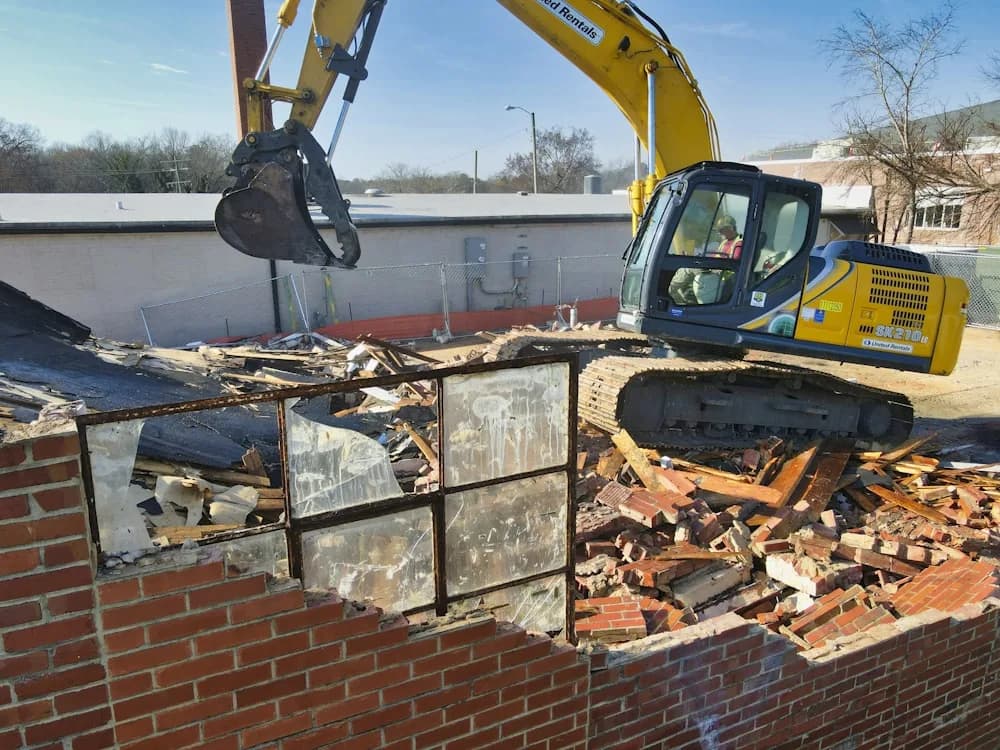
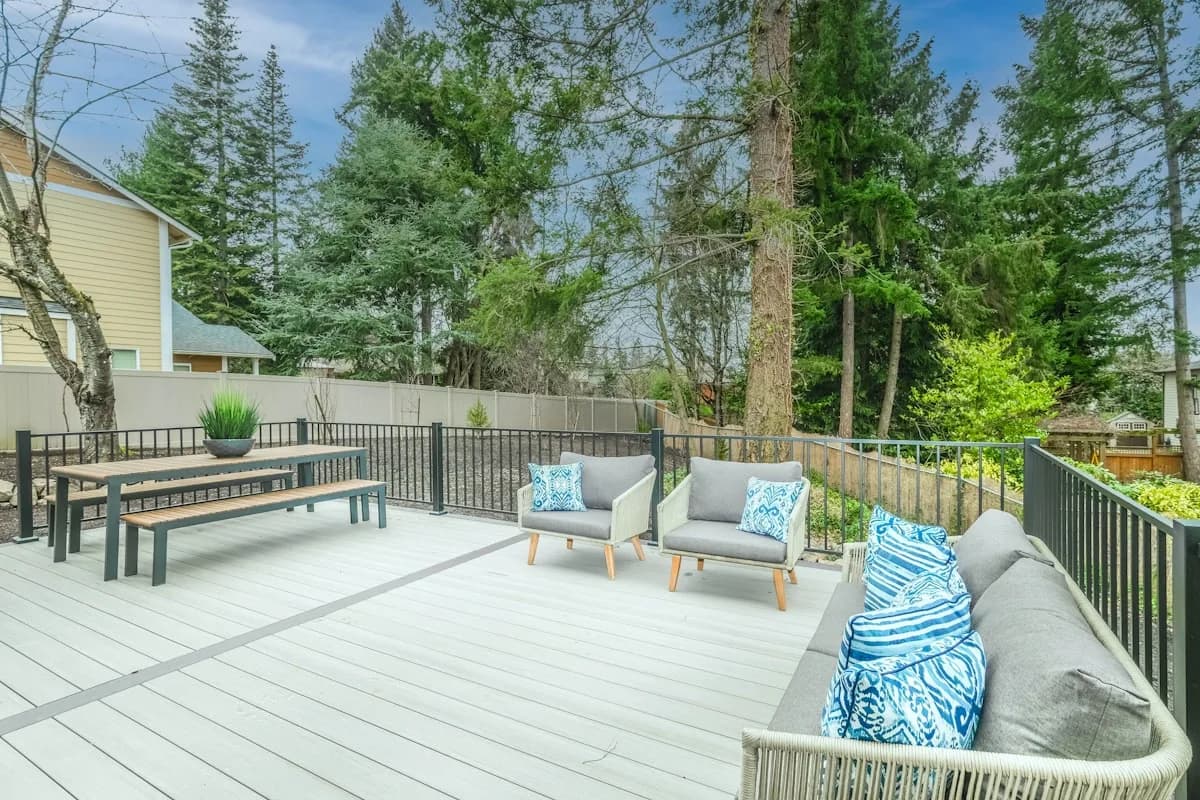
Out with the old, in with the new
Replace or repair? The 5-point check
If any of these is true, replacement beats repair — the rest can usually be fixed.
- A screwdriver sinks into a joist or the ledger — the wood is rotted, not just weathered.
- More than ~20% of a joist's width is soft or decayed — it's lost its span-code strength.
- The ledger is pulling away or rotted behind the flashing — this is the #1 cause of deck collapse.
- More than ~30% of the deck boards are failing — replacing beats piecemeal repair.
- The deck sways or bounces underfoot — a structural (framing/footing) problem, not a surface one.
What drives a replacement quote
Tear-out + disposal
$5–$15/sq ft — labor to demo plus haul-away. Screwed-down boards are 3–4× slower to remove than nailed ones, and a 200 sq ft deck is 1–2 tons of debris ($300–$500 dumpster).
Frame + footings: reuse or replace
The biggest swing. If the joists, beams, and footings are sound, keeping them saves $800–$1,500 in labor and material. If they're rotted, you're paying to rebuild from the ground up.
Hidden rot found at tear-out
You can't see behind the ledger or inside a footing until you open it up. Budget a contingency — surprises here are common on any deck over 15 years old.
Code upgrades on the rebuild
Grandfathering is lost the moment you rebuild — the new deck must meet current IRC (R507), which often means larger footings, a flashed ledger, and lateral-load hold-downs the old deck lacked.
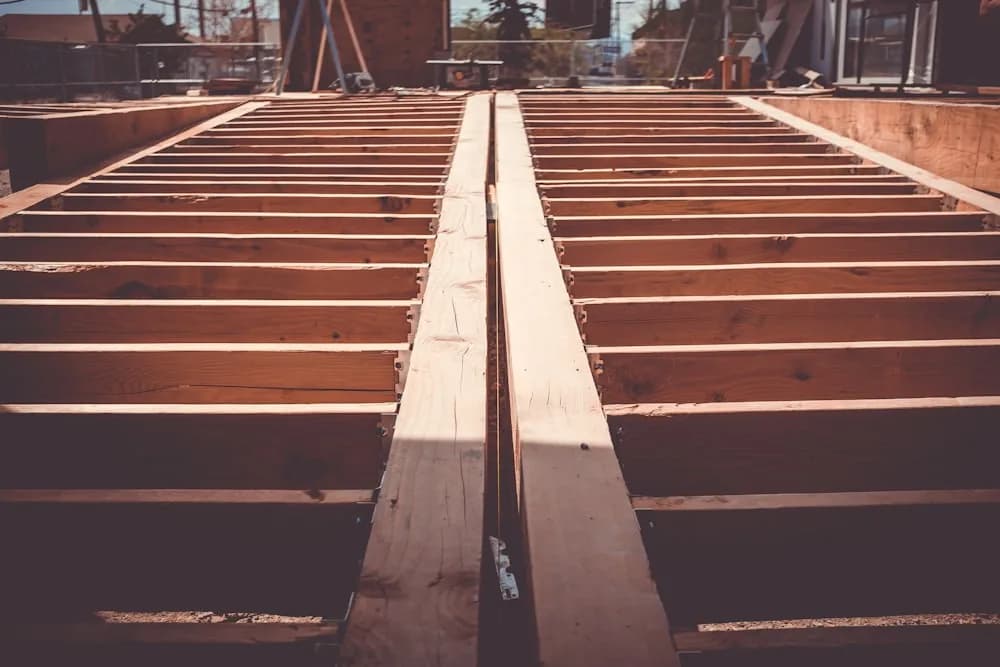
A sound frame like this is the credit that makes replacement affordable — keep it if it passes the screwdriver test.
Rebuilding resets your deck to current code (IRC 2021)
- Ledger — R507.9.1.1: the new ledger needs continuous flashing and fasteners that penetrate ≥ 3″ into solid rim board — a spec many older decks never met, and the connection inspectors check first because ledger failure is the #1 cause of deck collapse.
- No grandfathering: once you rebuild, the deck must meet current IRC R507 — footings, guards (R312), and lateral-load hold-downs (R507.9.2) — even if the old one predated those rules.
- Permits: a rebuild needs a fresh permit, and some jurisdictions require a separate demolition permit for the tear-out.
Source: IRC 2021 R507.9 (ledger/lateral), R312 (guards).
Price the rebuild
Set your size, material, and state, and turn on demolition to include tear-out in the total:
Dimensions
Plan-view length × width.
IRC R312 requires a 36″ guardrail above 30″.
192 sq ft · Mid composite · 1.22× labor · 1.10× complexity
Project advisories · IRC 2021
Guardrail included (deck 36″ off grade)
IRC R312IRC R312 mandates a 36″ guardrail on open edges when deck height exceeds 30″. 40 lf priced at Mid composite tier.
Building permit included in budget
IRC R105Northeast typical permit fee is in the budget. Most jurisdictions require a permit for decks > 200 sqft, > 30″ above grade, or attached to the house.
Hidden-fastener install premium baked in
Manufacturer specsMid composite uses hidden-fastener clip systems (Cortex / CamoClip / Trex Universal) — labor takes 25–30% longer than face-screwing PT. Already inside the tier's installed $/sqft band.
Cost breakdown
| Cost component | Share | Amount |
|---|---|---|
| Materials | 25% | $7,603 |
| Labor | 37% | $11,337 |
| Add-ons | 23% | $6,978 |
| Soft costs | 5% | $1,664 |
| Contingency | 9% | $2,758 |
| Total (high est.) | 100% | $30,340 |
Share of the high estimate. Switch tiers below to repaint the split.
National-median pricing (2026-Q1). Local prices vary ±15%. Materials line uses Mid composite tier; switch tiers to repaint the budget. Includes 10% contingency reserve on the high estimate.
Visualize your deck
Photoreal 3D · plan view · framing breakdown. Color matches your tier selection.
Project all-in
Same dimensions, different tier
tap to switchDIY savings
- Materials only: $7,603
- Estimated hours: 288 hr
- Skill required: advanced
Finance estimate
- Principal: $30,341
- Total interest: $6,563
- Estimate only — shop 3+ lenders.
Need exact board counts?
The Deck Material Calculator gives you a permit-ready bill of materials — every joist, hanger, fastener, and footing — validated against IRC 2021 span tables.
Estimates use 2026-Q1 national-median pricing (Home Advisor, Angi, RSMeans). Expect ±15% variance vs your local market. Always get 3 contractor bids before signing. This calculator is not a substitute for a licensed inspector or structural engineer.
People also ask
Deck replacement cost questions, answered.
Replacing a deck costs $5,000–$25,000 total, or roughly $15–$45 per square foot — wood on the lower end ($15–$30) and composite higher ($22–$45). That includes tearing out the old deck ($5–$15/sq ft for demo and disposal) and building the new one. A worked 300 sq ft example lands anywhere from about $3,200 for a basic surface swap to $14,000+ for a full structural rebuild in composite. The single biggest variable is whether the existing frame and footings can be reused.
Repair while the deck is structurally sound and the problems are localized. Replace once the numbers or the safety tip over: when repair estimates reach about 50–60% of the cost of a new deck, when more than ~30% of the boards are failing, or when the deck has fewer than 3–5 years of life left. A rotted ledger or soft joists push you straight to replacement regardless of cost — those are collapse risks, not cosmetic ones.
Deck removal alone runs $1,000–$6,000, or about $5–$15 per square foot including debris disposal. A ground-level wood deck is cheapest ($3–$5/sq ft); an elevated deck is more ($5–$10/sq ft) because of the added height and safety. Expect a 20-yard dumpster ($300–$500) or landfill loads ($30–$80 each) — a typical 200 sq ft deck generates 1–2 tons of waste. Screwed boards remove far slower than nailed ones, which raises the labor.
Yes — if it passes inspection. If the joists, beams, posts, and footings are sound (no soft spots on the screwdriver test, no rot at the ledger, and spacing that meets current code), re-decking over the existing frame is dramatically cheaper — often about a third of a full rebuild — because you skip the framing labor and footings. But if the frame is rotted or the joist spacing is too wide for your new decking (composite usually needs 16″ on center), it must be replaced.
It depends on the material and maintenance. Pressure-treated wood lasts 20–30 years, cedar 15–20, composite 30+ (often 50 with the warranty), and tropical hardwood like Ipe 75+ years. Boards usually fail before the frame, so many decks get resurfaced (new boards on the old frame) once before they're ever fully replaced. Annual inspection of the ledger and footings is what actually determines the safe lifespan.
Sources
Cost ranges: HomeAdvisor + Decks.com deck-replacement/repair + Dropcurb removal data (2025–2026). Code: IRC 2021 R507.9 (ledger/lateral), R312 (guards). National averages — always get local bids.