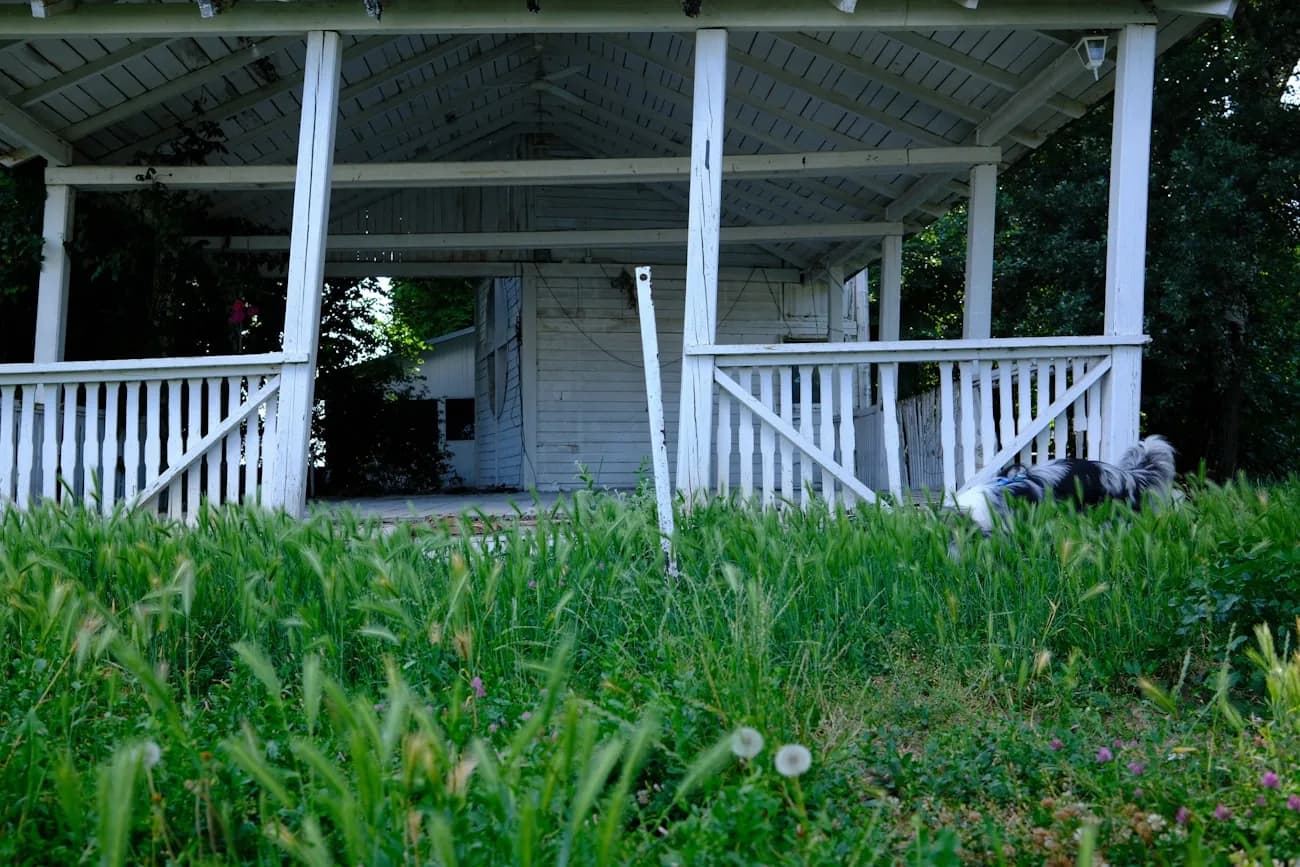
Screened-In Deck Cost
$2,000–$5,000existing roof
· $15,000–$40,000 built new
If your deck already has a roof, screening it in costs $2,000–$5,000 ($5–$25/sq ft). If it doesn't, you're really pricing a covered porch — $15,000–$40,000 — because the roof, not the screen, is where the money goes. You can't screen an open deck: mesh needs something overhead to keep the rain out and walls to attach to. Everything on this page comes back to that one fork.
Do you already have a roof?
This one question splits the price 5–10×. Find your deck below.
Yes — covered deck or porch
$2,000–$5,000
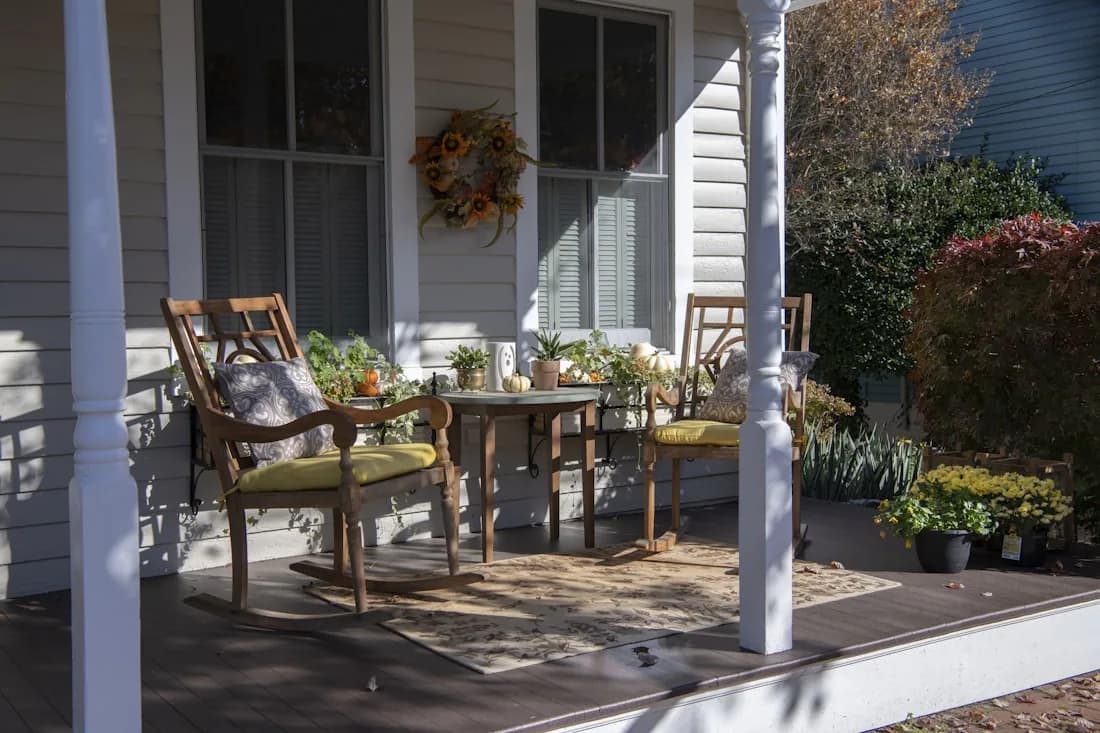
You're only filling the walls with screen. A weekend DIY job in materials (~$2/sq ft) up to a pro install at $5–$25/sq ft. This is the cheap, satisfying version everyone pictures.
No — bare or uncovered deck
$15,000–$40,000
There's nothing to attach screen to. You're building a covered porch first — roof, framing, ceiling — then screening it. The roof is 80%+ of that number. Budget the cover first, screen last.
The enclosure ladder: screen → 3-season → 4-season
Each rung buys more months of the year — and roughly doubles the cost of the one below it.
Screened porch
3-seasonMesh walls — bugs out, breeze in. Open-air, seasonal use.
$2k–$5k screened onto a covered deck · $15k–$40k built new
3-season room
3-season+Glass or vinyl windows instead of mesh. No HVAC — spring through fall.
$10,000–$40,000
4-season room / sunroom
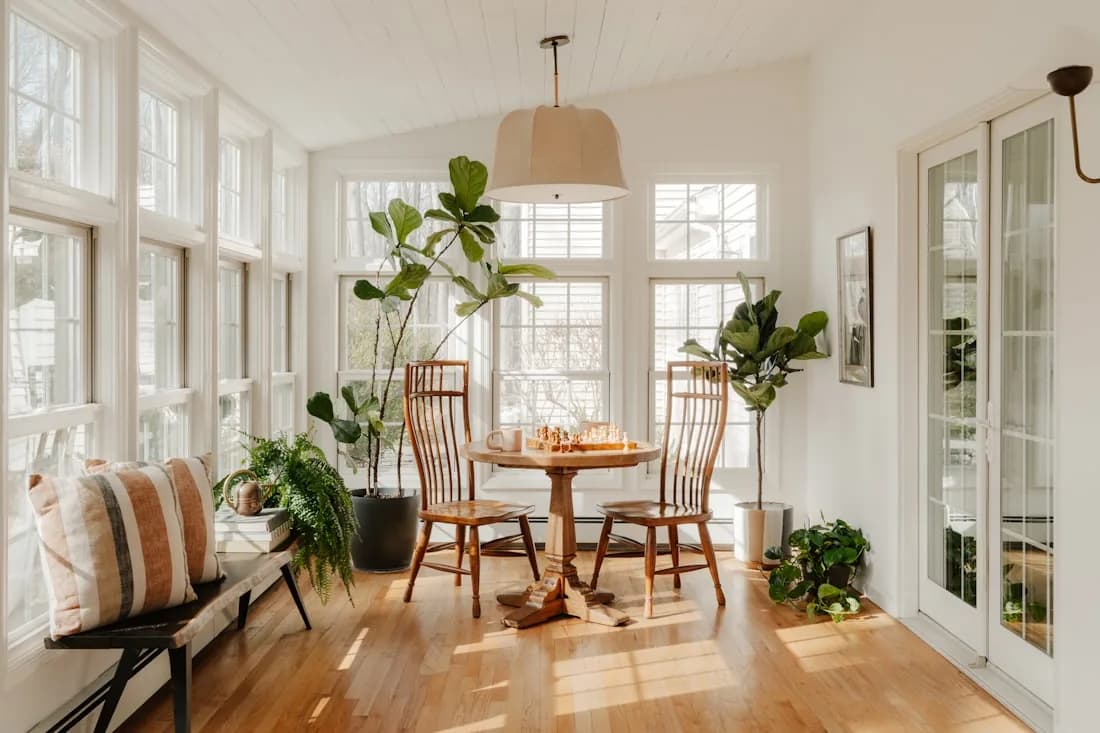
12 monthsInsulated frame, insulated glass, HVAC tie-in. Year-round living space.
$25,000–$80,000
A 4-season room runs roughly 2× a comparable 3-season room — the delta is insulated glass, an insulated frame, and the HVAC tie-in. Source: Angi, HomeGuide (2026).
Which screen mesh?
Mesh is a small slice of the bill — labor dominates — but the material sets how long it lasts.

| Mesh | Cost / sq ft | Lifespan | Best for |
|---|---|---|---|
| Fiberglass | $0.15–$0.25 | 5–12 yrs | Cheapest, ~80% of homes, easy to install |
| Aluminum | ~$0.30 | ~30 yrs | Sag/heat resistant, longest-lasting mainstream mesh |
| Pet-resistant | $0.60–$0.96 | 10+ yrs | ~7× stronger polyester — resists claws & tears |
| No-see-um | moderate + | 5–10 yrs | Tiny mesh blocks sandflies & gnats (slightly less airflow) |
| Solar / privacy | +~$0.75 | 10+ yrs | Blocks up to ~90% of heat & UV, daytime privacy |
Systems that hold the mesh: spline-and-frame / Screen Tight (~$2/sq ft, DIY-friendly) · Screeneze self-tensioning (~$2,000–$3,000 installed) · motorized retractable (~$3,000 per opening). Source: Inch Calculator, Screen Tight, Phifer (2026).
What moves the price
The roof — if you don't have one
By far the biggest driver. Roofing a bare deck runs $20–$60/sq ft basic (up to $120/sq ft solid wood, $70–$155/sq ft for a gable). If a roof already exists, this line is $0 — which is the whole reason a covered deck screens in so cheaply.
Number of screen walls & openings
More perimeter means more framing, more mesh, and more labor. A three-sided screen enclosure costs more than filling one open wall.
Screen door(s)
A basic self-closing screen door runs under $200 including hardware; heavy-duty or double doors cost more.
Height, footings & electrical
A surface over 30″ needs code guards; a new structure needs frost-depth footings; a ceiling fan, lights, or outlets add wiring and permit scope. Permit ~$200, drawn plans $200–$1,000.
The honest part: it's a roof project
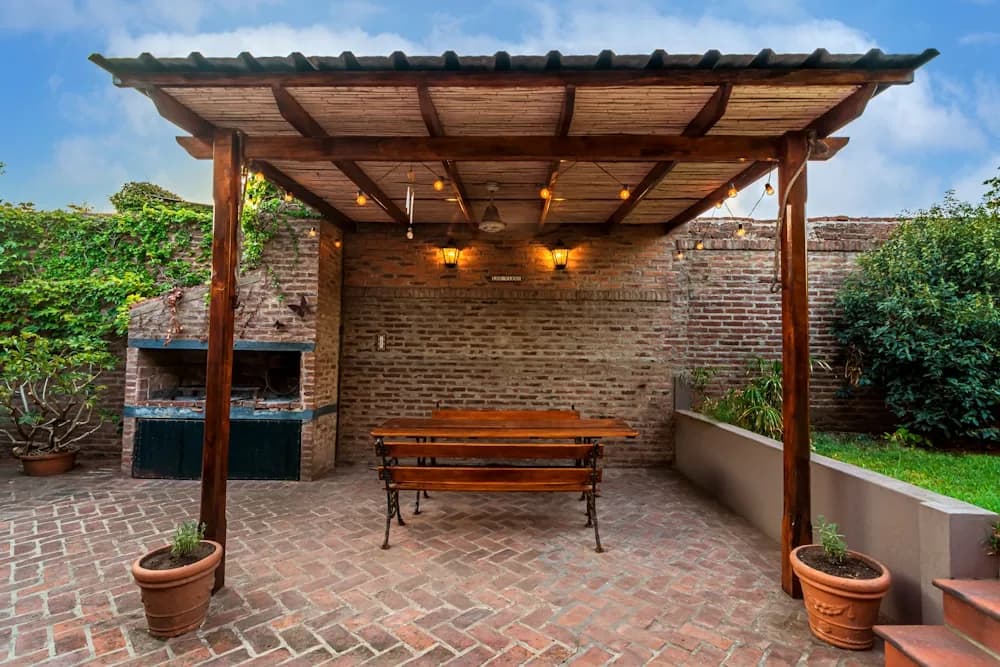
People search “screen in my deck” picturing a $2,000 weekend. That price is real — but only if a roof already shelters the deck. From a bare deck, the mesh is the last and cheapest step:
- • Roof over an existing deck: $20–$60/sq ft (up to $120 solid wood; $70–$155 gable)
- • New covered deck (deck + roof): $5,000–$18,000 for ~200 sq ft
- • Then screen the walls: $1,000–$3,000
Source: HomeGuide, Angi, This Old House (2026).
A screened porch is still a deck under code (IRC 2021)
- Deck rules apply — R507: footings (R507.3/R507.5, below the frost line), joists (R507.6), beams (R507.7), and the lateral-load ledger connection (R507.9.2) are governed exactly as on any deck.
- Guards — R312: required wherever the floor is more than 30″ above grade — minimum 36″ high, less than 4″ between balusters. Screen doesn't replace a code guard.
- Adding a roof adds code: roof framing falls under R802 plus wind and snow loads. The 2021 IRC's 50/60/70 psf snow tables can require a larger or engineered beam in snow country.
- Permit + drawings: almost always required, and most jurisdictions require elevation drawings for any roofed structure. Verify with your local building department first.
Source: IRC 2021 R507 / R312 / R802; Simpson Strong-Tie 2021 IRC commentary.
Price the deck underneath
The screen and roof sit on top of a deck. Size the deck structure here, then add roofing ($20–$60/sq ft) if you don't have one and screening ($5–$25/sq ft) on top:
Dimensions
Plan-view length × width.
IRC R312 requires a 36″ guardrail above 30″.
192 sq ft · Mid composite · 1.22× labor · 1.10× complexity
Project advisories · IRC 2021
Guardrail included (deck 36″ off grade)
IRC R312IRC R312 mandates a 36″ guardrail on open edges when deck height exceeds 30″. 40 lf priced at Mid composite tier.
Building permit included in budget
IRC R105Northeast typical permit fee is in the budget. Most jurisdictions require a permit for decks > 200 sqft, > 30″ above grade, or attached to the house.
Hidden-fastener install premium baked in
Manufacturer specsMid composite uses hidden-fastener clip systems (Cortex / CamoClip / Trex Universal) — labor takes 25–30% longer than face-screwing PT. Already inside the tier's installed $/sqft band.
Cost breakdown
| Cost component | Share | Amount |
|---|---|---|
| Materials | 26% | $7,603 |
| Labor | 39% | $11,337 |
| Add-ons | 24% | $6,978 |
| Soft costs | 1% | $320 |
| Contingency | 9% | $2,624 |
| Total (high est.) | 100% | $28,862 |
Share of the high estimate. Switch tiers below to repaint the split.
National-median pricing (2026-Q1). Local prices vary ±15%. Materials line uses Mid composite tier; switch tiers to repaint the budget. Includes 10% contingency reserve on the high estimate.
Visualize your deck
Photoreal 3D · plan view · framing breakdown. Color matches your tier selection.
Project all-in
Same dimensions, different tier
tap to switchDIY savings
- Materials only: $7,603
- Estimated hours: 288 hr
- Skill required: advanced
Finance estimate
- Principal: $28,863
- Total interest: $6,243
- Estimate only — shop 3+ lenders.
Need exact board counts?
The Deck Material Calculator gives you a permit-ready bill of materials — every joist, hanger, fastener, and footing — validated against IRC 2021 span tables.
Estimates use 2026-Q1 national-median pricing (Home Advisor, Angi, RSMeans). Expect ±15% variance vs your local market. Always get 3 contractor bids before signing. This calculator is not a substitute for a licensed inspector or structural engineer.
Re-screening: budget every 6–8 years
Screen is a wear item. Fiberglass lasts 5–12 years, polyester 10+, aluminum up to ~30. Re-screening costs $2–$4/sq ft — roughly $400–$800 for a panel job — and many pros have a ~$300 minimum. A DIY roll or small kit runs $50–$300. Source: Angi, HomeGuide (2026).
People also ask
Screened-in deck cost questions, answered.
Screening in a deck that already has a roof costs $2,000–$5,000 — about $5–$25 per square foot installed, or as little as ~$2/sq ft in materials if you DIY the screen. But if your deck is uncovered, you can't just add screen: you're really building a screened porch from scratch (roof, framing, and screen), which runs $15,000–$40,000. The single fact that sets your price is whether a roof already exists.
Not as it stands. Screen mesh needs a roof overhead to keep rain and leaves out, and walls or posts to attach to — a bare, open deck has neither. To screen a bare deck you first add a covered structure (roofing an existing deck runs $20–$60/sq ft, up to $120/sq ft for solid wood), and only then does the cheap $2,000–$5,000 screening step apply. For a bare-deck owner, budget the covered structure first and the screen last.
A screened porch has mesh walls — it keeps bugs out but the weather in, so it's an open-air, seasonal space ($2,000–$5,000 screened onto a covered deck). A 3-season room swaps mesh for glass or vinyl windows with no HVAC, usable spring through fall ($10,000–$40,000). A 4-season room (sunroom) adds an insulated frame, insulated glass, and an HVAC tie-in for year-round use ($25,000–$80,000) — it typically costs about twice a comparable 3-season room, because of the insulation and heating/cooling.
Fiberglass is the cheapest and most common (about $0.15–$0.25/sq ft in mesh, lasting 5–12 years) and is the right default for most porches. Aluminum is more durable (~30 years) and resists sagging in heat. Pet-resistant polyester is roughly 7× stronger and shrugs off claws. No-see-um mesh has a tighter weave for sandflies and gnats, and solar screen blocks up to ~90% of heat and UV. The mesh itself is a small fraction of the cost — the labor to frame and install it is what you're really paying for.
Plan to re-screen every 6–8 years on average. Fiberglass lasts 5–12 years depending on sun exposure (harsh desert or Florida sun shortens it), pet-resistant polyester 10+ years, and aluminum up to ~30 years. Re-screening costs about $2–$4 per square foot — roughly $400–$800 for a panel job, more for a full enclosure — and many contractors have a ~$300 minimum service fee. A DIY screen roll or small kit runs $50–$300.
Yes. A screened porch is structurally a deck, so IRC 2021 R507 still governs its footings, joists, beams, and lateral ledger connection, and guards are required (R312) wherever the surface is more than 30″ above grade. Adding a roof brings roof framing under R802 plus wind and snow loads — in snow country the 2021 IRC's 50/60/70 psf tables can require a larger or engineered beam. A permit is almost always required, and most jurisdictions require elevation drawings for any roofed structure. Always verify with your local building department before construction.
Sources
Cost ranges: HomeGuide, HomeAdvisor, Angi, Forbes Home, Inch Calculator, Screen Tight, Phifer (2025–2026). Sources disagree most on new-build $/sq ft ($25–$175) — presented as a range. Code: IRC 2021 R507 / R312 / R802; Simpson Strong-Tie 2021 IRC commentary. National averages — always get local bids.