Deck Board Spacing & Gap Guide (2026)
Gap too tight and the deck buckles and pools water; too wide and it's a trip hazard. Here's how much space to leave between deck boards — and why.
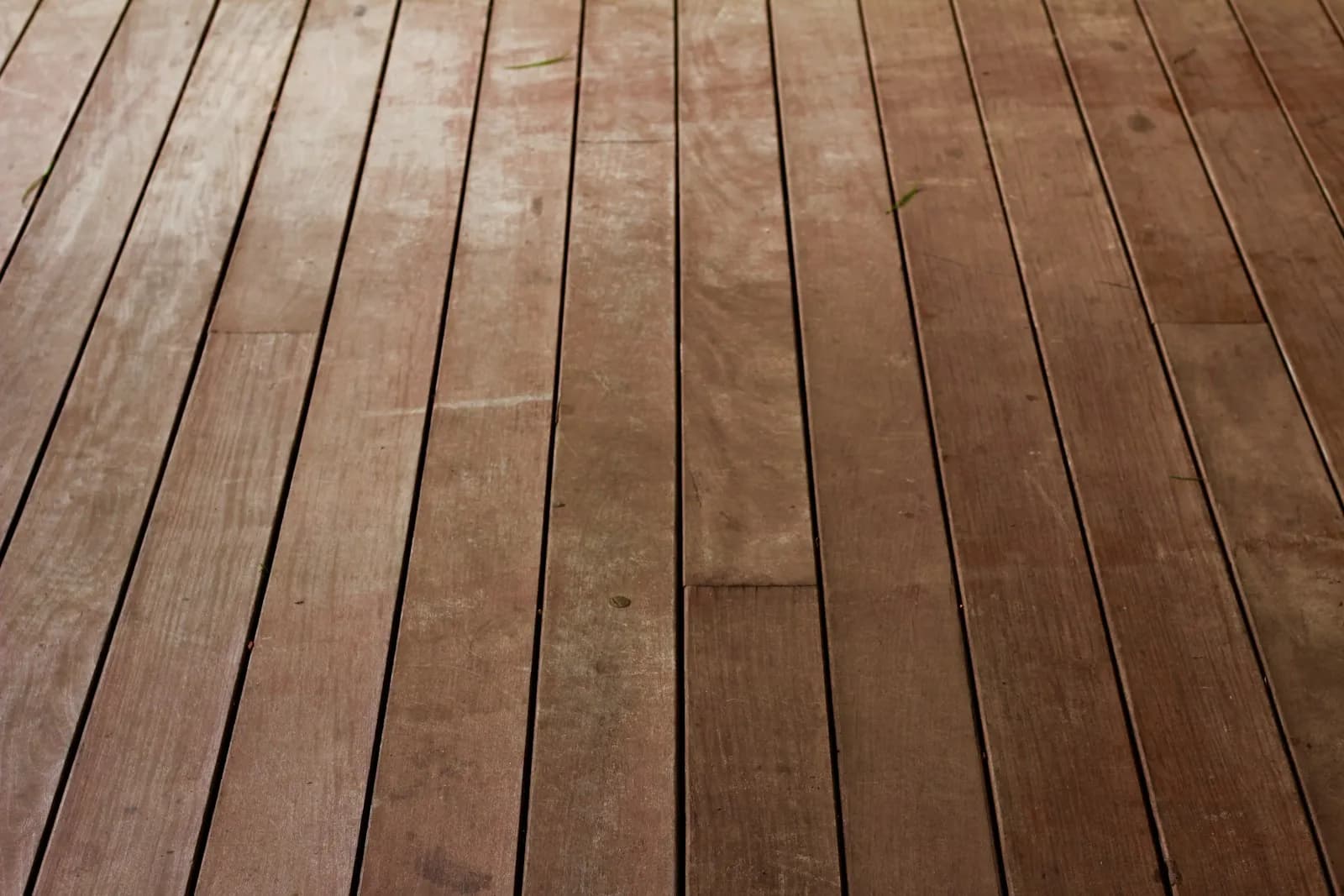
As a rule of thumb, leave about a 1/8-inch gap between wet pressure-treated boards (they shrink as they dry, opening to ~1/4 inch), and a full 1/8–1/4 inch between dry lumber, cedar and hardwood. Composite and PVC follow the manufacturer's spec exactly — usually 1/8–3/16 inch side-to-side and a larger end gap that changes with temperature. Gaps let water drain and boards expand; here's how to get them right.
Recommended gap by material
| Board | Side-to-side gap | Notes |
|---|---|---|
| Wet pressure-treated | ~1/8 in | Shrinks as it dries → opens to ~1/4 in |
| Dry / kiln-dried lumber | 1/8–1/4 in | Won't shrink much — set the final gap now |
| Cedar / redwood | 1/8–1/4 in | Stable; gap for drainage + airflow |
| Ipe / hardwood | 3/16–1/4 in | Dense; needs airflow to avoid cupping |
| Composite / PVC | 1/8–3/16 in | Follow the maker's spec exactly |
The single most important variable is whether wood is wet or dry when you install it. Wet pressure-treated lumber (the common kind, sold soaking) shrinks across its width as it dries, so you fasten it nearly tight and let drying open the gap. Dry, cedar and hardwood boards barely move — set the gap you want at install. Get an exact board count for your layout with the deck material calculator.
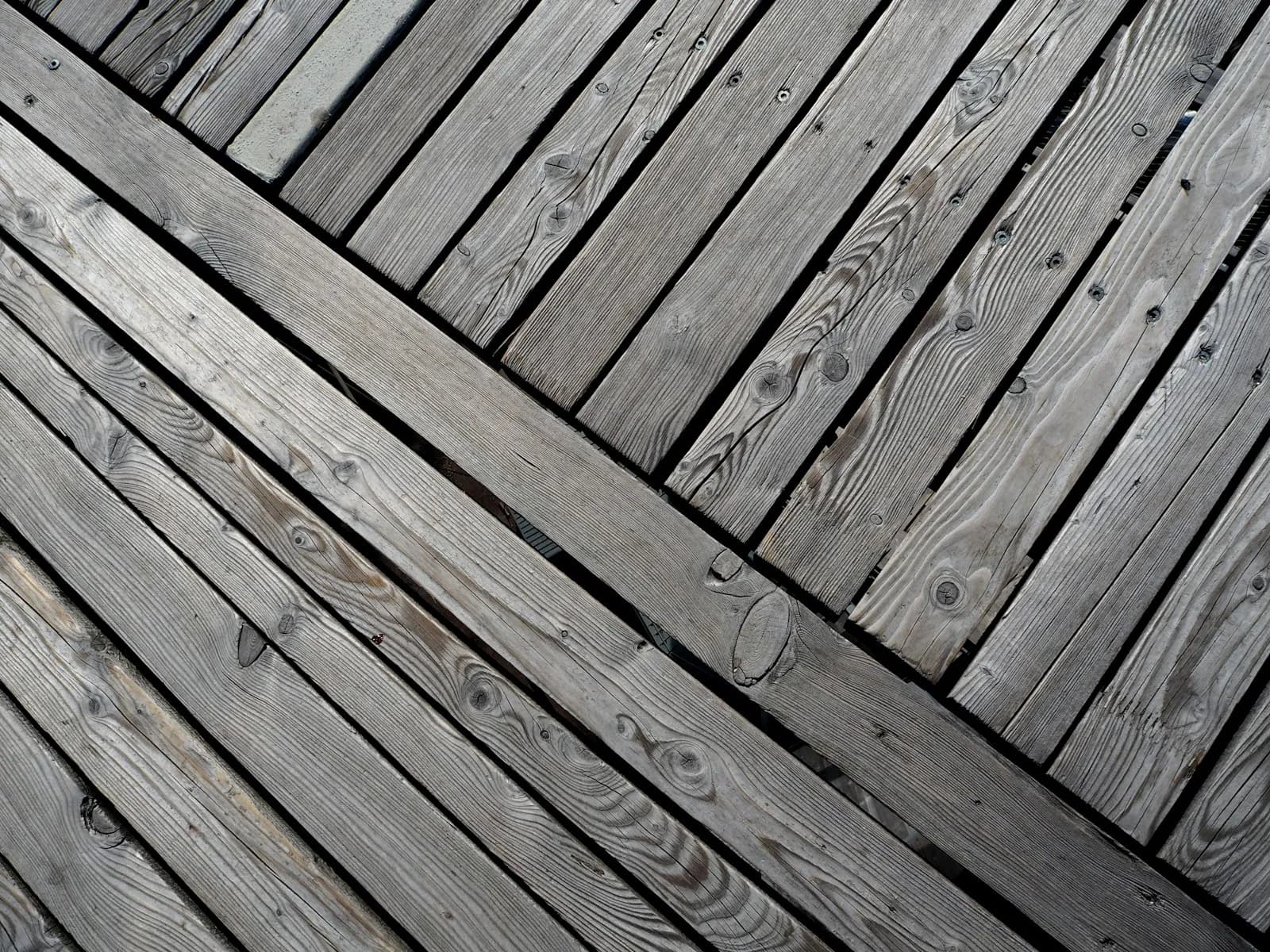
Why the gap matters
- Drainage: water must fall through, not pool on the surface or sit on the joists. No gap = standing water = rot.
- Airflow: gaps let the underside dry, preventing cupping and decay.
- Expansion: boards swell with moisture and heat (composite especially) — the gap gives them room to move without buckling.
- Safety & looks: too wide (over ~1/2 inch by the time wood dries) becomes a heel-and-cane trip hazard and looks sloppy.
End gaps and butt joints
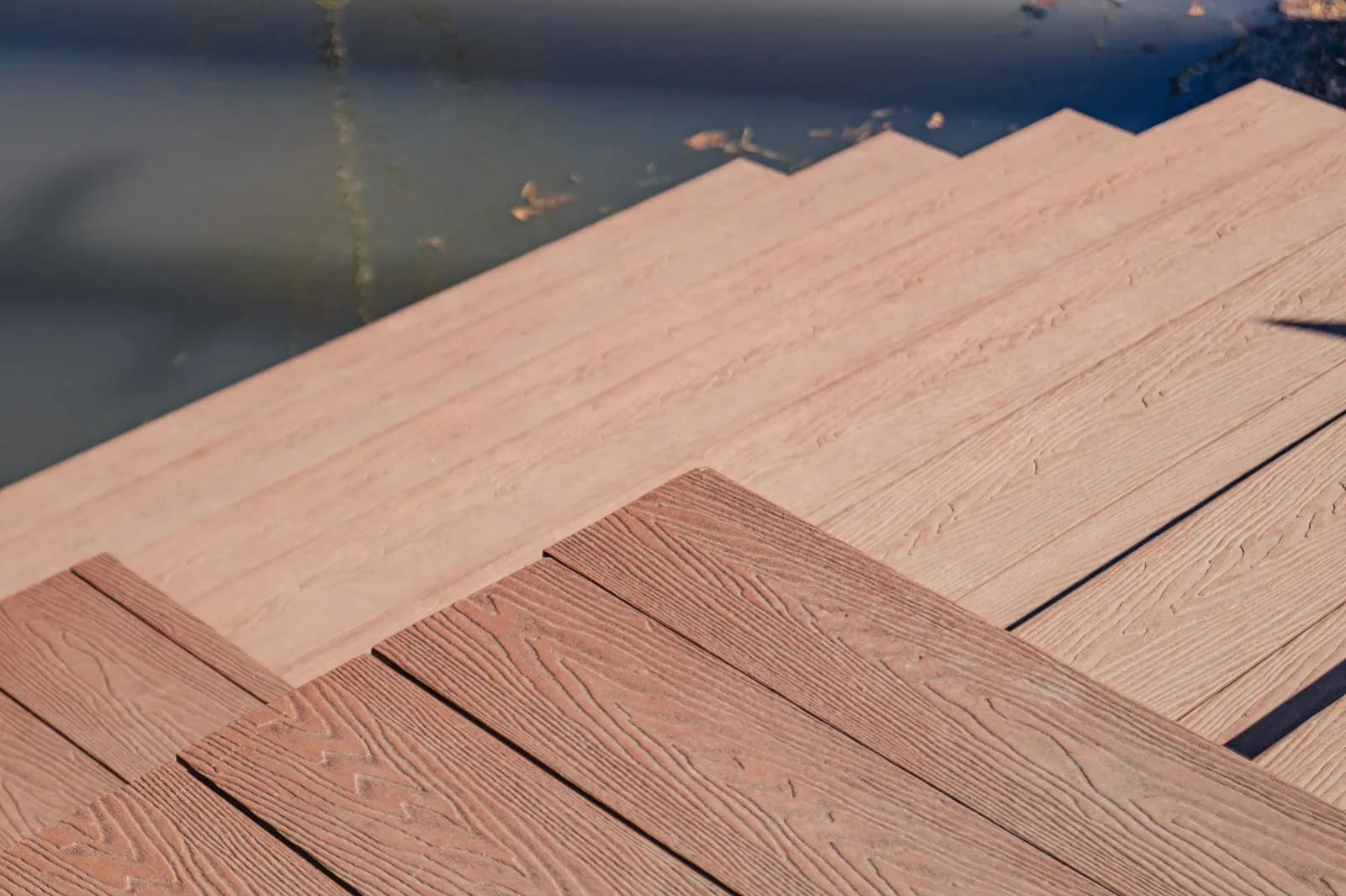
Boards move along their length too, so leave an end gap where a board butts another or meets a wall — typically 1/8 inch for wood and per-spec for composite (composite end gaps grow in cold weather; makers publish a temperature chart). Stagger butt joints across the deck like brickwork so seams don't line up, and make sure every board end lands on a joist with support on both sides of the joint (often a doubled joist or blocking).

Fastening: spacing and method
- Two fasteners per board at every joist for face-screwed decks — this holds the board flat and resists cupping.
- Hidden fasteners (clips in the board groove) give a clean, screw-free surface and self-space many composite systems automatically.
- Predrill hardwood ends to prevent splitting; use stainless or coated fasteners rated for the wood/treatment.
- Keep gaps consistent with a spacer tool (or a framing nail) so every seam matches.
Board spacing works hand-in-hand with the framing below it — boards can only span so far between joists. Check the joist spacing guide so your board direction and joist spacing match, and see the full build sequence in how to build a deck.

Frequently asked questions
How much gap should I leave between deck boards?
Leave about 1/8 inch between wet pressure-treated boards and 1/8–1/4 inch between dry, cedar or hardwood boards; composite and PVC follow the manufacturer's spec, usually 1/8–3/16 inch side-to-side. The variable that actually decides the number is whether the wood is wet or dry when you fasten it down. Wet pressure-treated lumber — the common kind, sold soaking — shrinks across its width as it dries, so it goes down nearly tight and opens to roughly 1/4 inch on its own over the following weeks. Dry, kiln-dried, cedar and redwood boards barely move, so you set the finished gap at install. Dense hardwoods like ipe want a slightly wider 3/16–1/4 inch to keep air moving underneath and prevent cupping. Whatever the material, hold the gap consistent with a spacer tool so every seam matches, and leave a separate end gap where boards butt.
Should deck boards be installed with a gap?
Yes — always. The gap does four jobs: water drains through instead of pooling on the surface or sitting on the joists, air reaches the underside so boards dry rather than cupping and decaying, boards get room to swell with heat and moisture without buckling, and the deck stays safe and tidy rather than opening into wide uneven seams. A deck laid with no gap traps water on the framing and rots from below, usually starting on the joist tops where you cannot see it until the damage is done. The apparent exception proves the rule: wet pressure-treated boards go down nearly tight, but only because they shrink as they dry and open to roughly 1/4 inch by themselves. Too wide is its own failure — much past about 1/2 inch once the wood has dried becomes a heel-and-cane trip hazard.
Do wet pressure-treated deck boards need a gap?
Install them nearly tight — a very small gap, around 1/8 inch. Wet pressure-treated lumber is sold saturated with preservative and shrinks measurably across its width as it dries over the following weeks, so the gaps open on their own to roughly 1/4 inch, which is the target spacing. Install those same wet boards at a full 1/4 inch instead and they will dry to something nearer 3/8–1/2 inch — wide enough to look sloppy, drop tools and phones through, and read as a trip hazard. The test is simple: if a board feels heavy and damp and beads water on the surface, treat it as wet. Kiln-dried, cedar, redwood and hardwood boards are dimensionally stable and barely move, so with those you set the finished gap at install rather than letting drying do it for you.
What gap do composite deck boards need?
Follow the manufacturer's specification exactly — typically 1/8–3/16 inch side-to-side. Composite and PVC move more with temperature than wood does, and they move along their length rather than mainly across their width, which is why the end gap matters more than the side gap and why makers publish a temperature chart: the colder the day you install, the wider the end gap has to be, because the boards will expand when the weather turns. Many hidden-fastener systems set the side gap for you — the clip that seats in the board groove is machined to the correct width, which is one reason composite decks are usually clipped rather than face-screwed. Deviating from the published spec is also one of the fastest ways to void a composite warranty, so check the specific product's instructions rather than assuming one brand's number carries to another.
How many screws per deck board?
Use two fasteners per board at every joist on a face-screwed deck. Two fasteners hold the board flat and resist cupping; a single screw lets the board rock and lift at its edges over time. Predrill the ends of dense hardwoods like ipe so they do not split, and use stainless or coated fasteners rated for the wood and its treatment — modern preservative chemistry corrodes uncoated steel quickly. Hidden-fastener systems work differently: clips seat in a groove milled into the board edge, so no screws show on the surface and many systems self-space the boards to the correct gap. Whichever method you use, every board end must land on a joist with support on both sides of the joint — usually a doubled joist or blocking — and butt joints should be staggered across the deck like brickwork so the seams never line up.
Related calculators
Related guides
Get matched
Want 2–3 free quotes for this exact deck?
We'll send your plan to vetted local builders. Free, no obligation.