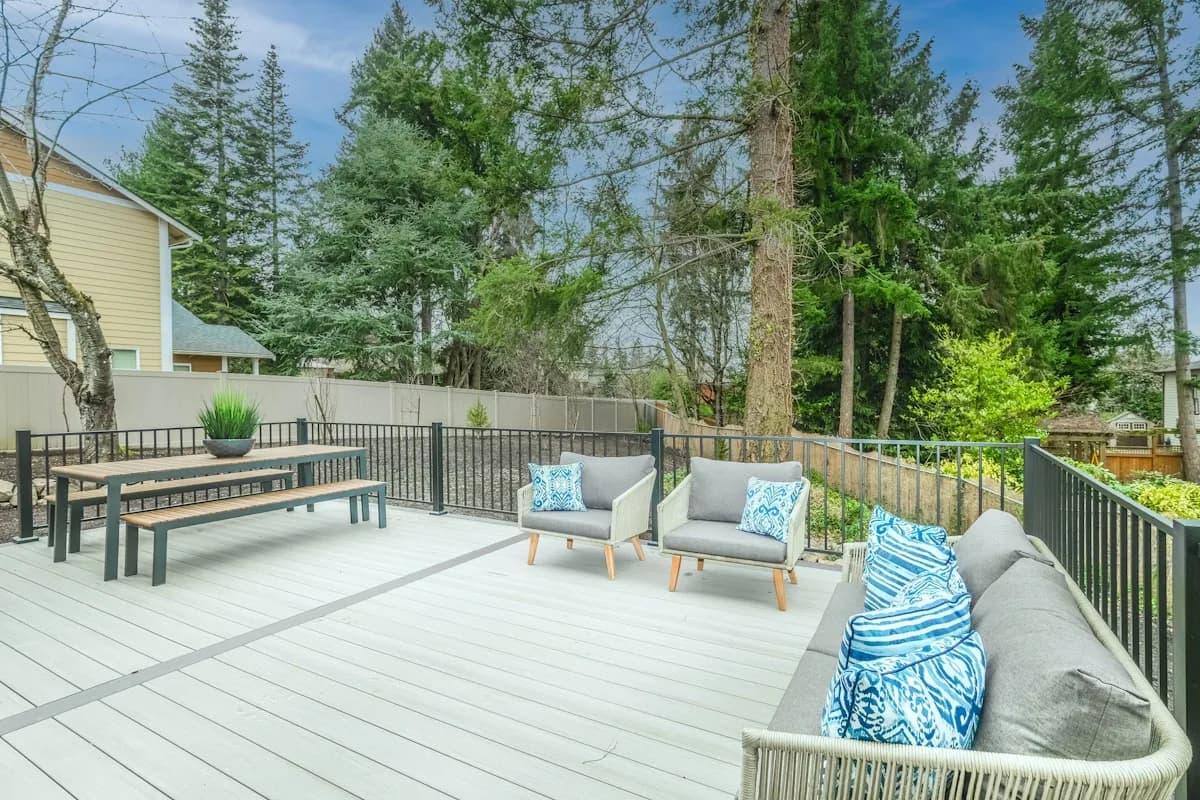
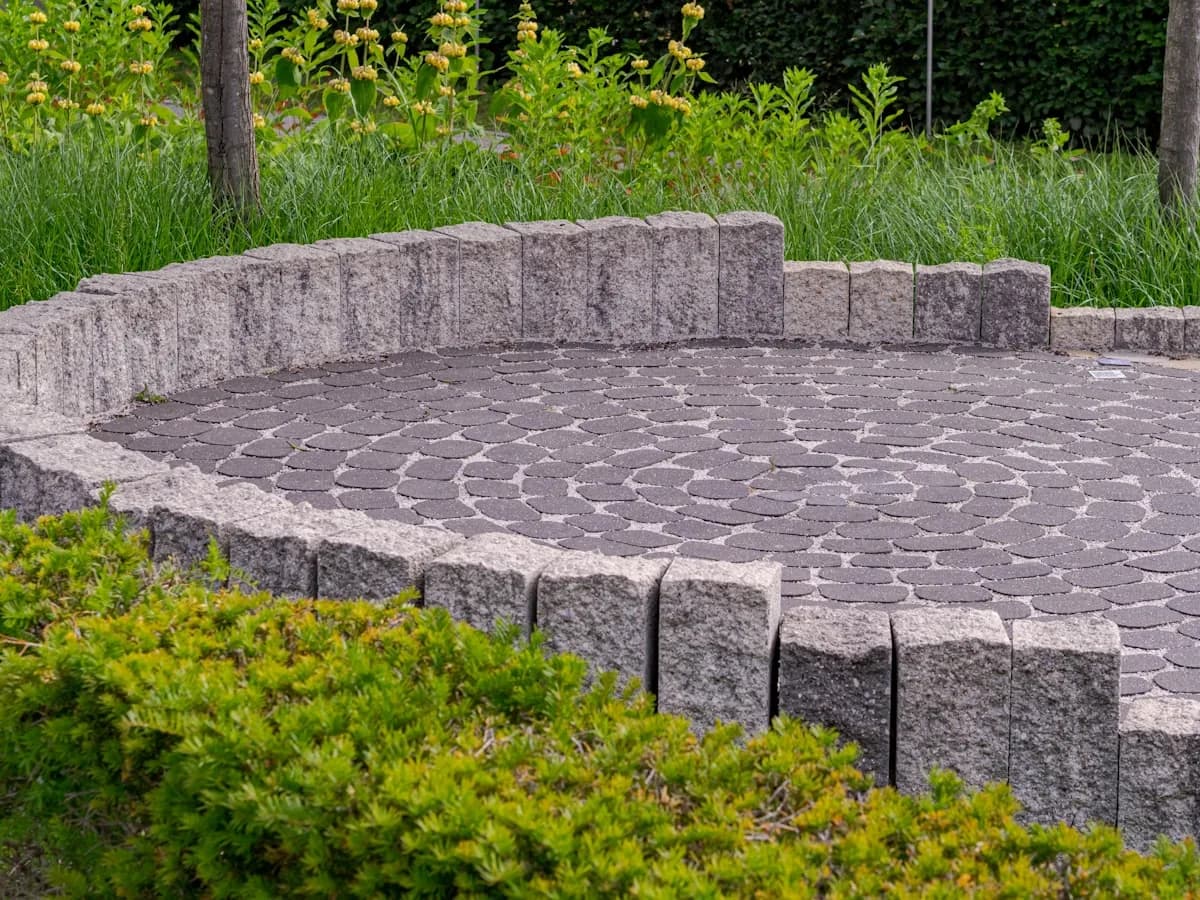
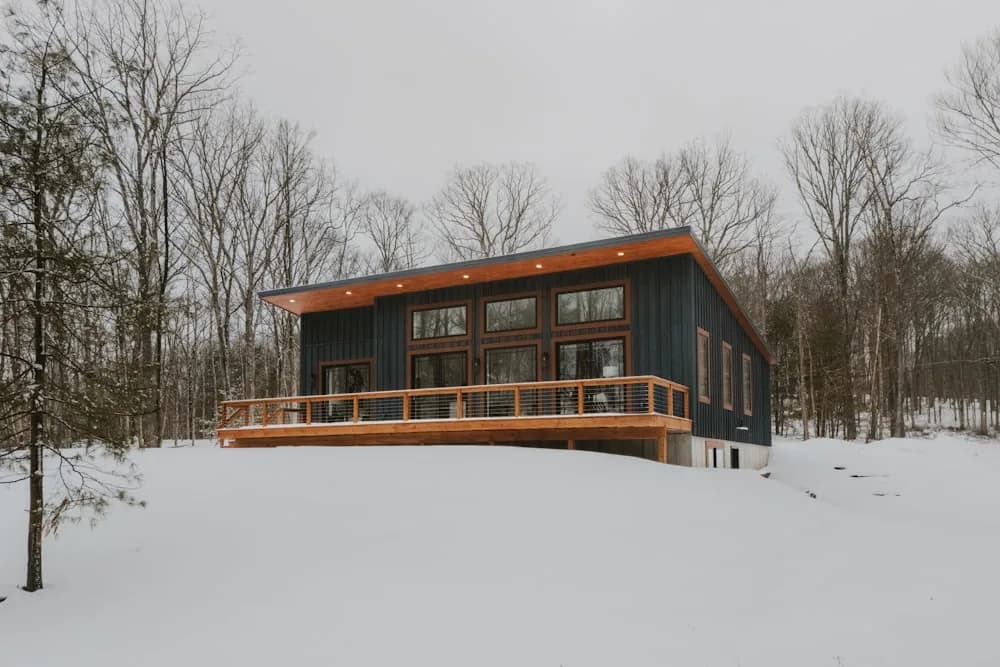
Framed & elevated · ~83% resale ROI · slope-friendly
Patio
$5–$20 /sq ft
On-grade hardscape · ~50% resale ROI · near-zero upkeep
VS
Deck vs Patio Cost
A patio is cheaper — about 40–60% less than a deck. Expect $5–$17/sq ft for a patio (poured concrete to pavers) versus $25–$80/sq ft for a deck (pressure-treated to composite). On a 320 sq ft footprint that's roughly $1,600–$7,000 for a patio vs $6,800–$18,000 for a deck. But a deck returns more at resale (~83% for wood vs ~50% for a patio) and works on slopes a patio can't. The rule of thumb: sloped or elevated lot → deck; flat, well-drained lot → patio.
By SemiSoftwares · DeckMath editorial·Reviewed against IRC 2021·
40–60%
cheaper: patio vs deck
~83% / ~50%
resale ROI: deck / patio
Slope → Deck
Flat → Patio
Cost per square foot, head to head
Installed cost ($/sq ft), materials + labor. 2026 national ranges.
Deck
Pressure-treated wood
$25–$50
Composite / PVC
$40–$80
Patio
Poured concrete
$5–$15
Pavers
$10–$17
Stamped concrete
$12–$20
$0$10/sq ft$20/sq ft
Which fits your yard?
Sloped or uneven lot → build a deck
A deck spans a grade change on posts and footings — no excavation, no retaining walls, and you get an elevated view. Once the surface is more than ~30" above grade a guardrail is required (IRC R312), which is priced into every deck estimate here.
Flat, well-drained lot → pour a patio
On level ground a patio is far cheaper and near-zero maintenance. It needs a compacted gravel base and good drainage — on a slope you'd pay for fill and retaining that erases the savings, and freeze-thaw can crack a poorly-based slab.
The 10-year picture: upkeep + resale
Over 10 years
Deck
Patio
Upfront (320 sq ft)
$6,800–$18,000
$1,600–$7,000
Recurring upkeep
Wood: stain/seal every 2–3 yrs · Composite: wash-only
National-median pricing (2026-Q1). Local prices vary ±15%. Materials line uses Mid composite tier; switch tiers to repaint the budget. Includes 10% contingency reserve on the high estimate.
Live preview
Visualize your deck
Photoreal 3D · plan view · framing breakdown. Color matches your tier selection.
PBR materialsHDR lightingMid composite
Loading 3D scene…
DeckMath·16′ × 12′·192 sq ft
Trex Enhance·composite
Drag · pinch / scroll
Joists
13 × 12′
Beams
1 × 2-ply 2×10
Posts
3 × 6×6
Boards
27 rows
Plan view · 1 ft grid
FootingBeamJoist
Project all-in
Materials (low – high)
Mid composite tier · Trex Enhance · Fiberon Good Life · TimberTech Prime+. ~$0.05/sqft/yr.
$4,752 – $7,603
Labor (installed)
Northeast · 1.22× national index
$7,086 – $11,337
Add-ons
Railing · stairs · lighting (only included items)
$4,324 – $6,978
Soft costs
Permit · demo · design (only included items)
$320 – $320
Contingency reserve (10%)
Industry-standard cushion for unforeseen scope
$2,624
Project total (low – high)
Plan around the high. Get 3 contractor bids — DeckMath should land within ±15%.
$16,481 – $28,863
Same dimensions, different tier
tap to switch
DIY savings
$14,399
vs mid-range contractor
Materials only: $7,603
Estimated hours: 288 hr
Skill required:advanced
Finance estimate
$585/month
60-month personal loan @ 7.99% APR
Principal: $28,863
Total interest: $6,243
Estimate only — shop 3+ lenders.
Composite/PVC installs use hidden-fastener clip systems — labor is 25–30% slower than face-screwing pressure-treated wood. That premium is already baked into the tier's installed $/sqft band.
Need exact board counts?
The Deck Material Calculator gives you a permit-ready bill of materials — every joist, hanger, fastener, and footing — validated against IRC 2021 span tables.
Estimates use 2026-Q1 national-median pricing (Home Advisor, Angi, RSMeans). Expect ±15% variance vs your local market. Always get 3 contractor bids before signing. This calculator is not a substitute for a licensed inspector or structural engineer.
The honest verdict
Pick a patio if your yard is flat, your budget is tight, and you never want to think about maintenance again. A poured slab at $5–$15/sq ft is the cheapest usable outdoor floor you can build, and it will outlast a wood deck with zero re-staining.
Pick a deck if your lot slopes, you want an elevated view, or resale ROI matters — a deck recoups far more of its cost and is often the only structure that even works on a grade. Yes, it costs 2–3× a patio up front, but the value it adds and the sites it fits are things a patio can't match.
A patio is cheaper — usually 40–60% less than a comparable deck. Poured concrete runs about $5–$15/sq ft and pavers $10–$17/sq ft, while a deck runs $25–$50/sq ft in pressure-treated wood and $40–$80/sq ft in composite. On a 320 sq ft footprint that's roughly $1,600–$7,000 for a patio versus $6,800–$18,000 for a deck. A deck costs more because it's a framed, elevated structure — footings below the frost line, joists, beams, railings, and stairs — where a patio is hardscape laid on grade.
A deck. A wood deck recoups roughly 65–83% of its cost at resale and composite ~68% (Remodeling's Cost vs. Value report; the figure varies by year and region), while a patio typically returns closer to 50%. A deck also adds more absolute dollars because it costs more to build. If resale ROI is the goal, a deck wins; if the goal is the lowest upfront cost, a patio wins.
Let the ground decide: slope → deck, flat → patio. A deck spans a sloped or uneven lot on posts and gives you an elevated view without major excavation, and it's the only option once the surface sits more than ~30 inches above grade (where a guardrail is code). A patio needs flat, well-drained ground — on a slope you'd pay for excavation, fill, and retaining walls that erase the savings, and freeze-thaw can crack a slab.
Almost always for a deck, rarely for an on-grade patio. Decks are structural and usually attach to the house, so most jurisdictions require a permit (a freestanding deck under 200 sq ft and under 30 inches high is a common exception). A ground-level patio typically needs no permit unless you add a roof, an outdoor kitchen, or electrical. Always confirm with your local building department.
A patio needs far less upkeep. Concrete and pavers are near-zero maintenance and last decades; a wood deck needs cleaning and re-staining every 2–3 years and lasts 15–30 years, while composite decking is wash-only and lasts 25–50 years. Over a 10-year window a wood deck's recurring stain/seal cost is a real line item a patio doesn't have — worth factoring into the true cost of ownership.
Sources
Installed cost ranges: Decks.com, HomeGuide, Fixr, and Bob Vila 2025–2026 deck-vs-patio cost data. Resale/ROI: Remodeling Cost vs. Value. Code & permit thresholds: IRC 2021 (R312 guards, R105 permits). National averages — always get local bids.