Pergola vs Deck Cover vs Awning: Cost 2026
Shade turns a deck from 'too hot to use' into an outdoor room. Here's how pergolas, solid covers and awnings compare on cost, protection and effort in 2026.
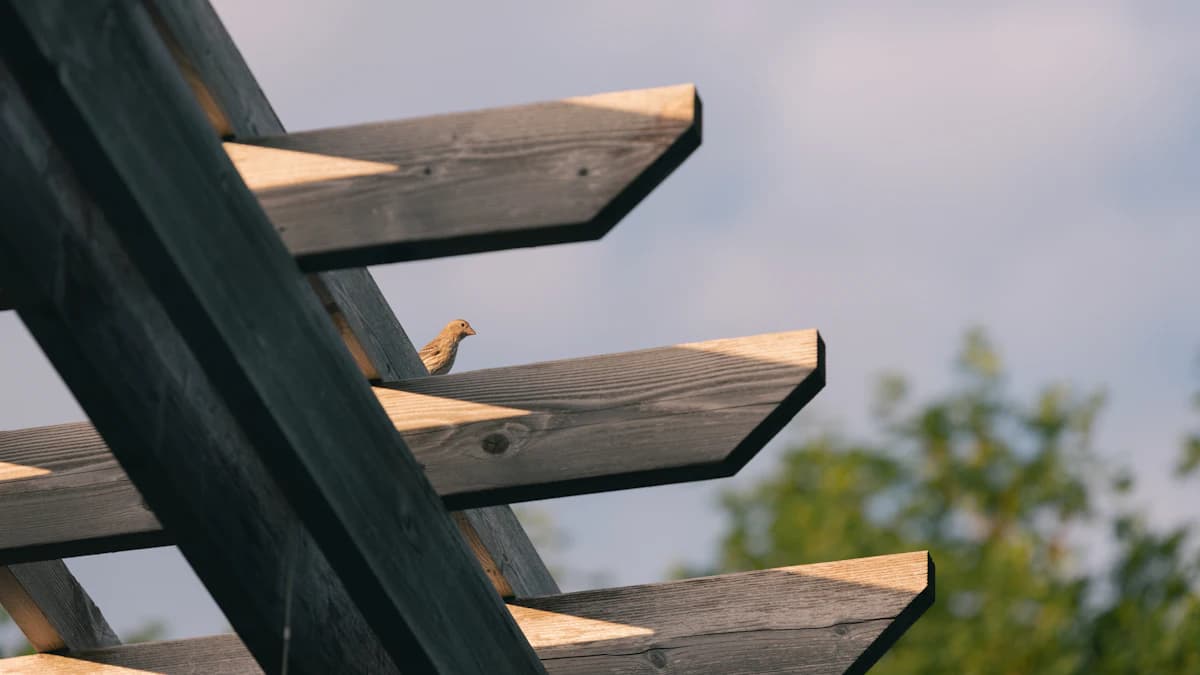
A pergola runs roughly $3,000–$10,000 built (kits far less), a solid roofed deck cover $5,000–$15,000+, and a retractable awning about $2,000–$6,000 installed. The real choice isn't just price — it's how much protection you want: a pergola gives dappled shade and style, a solid cover gives full sun-and-rain protection (and can add gutters and lights), and an awning gives on-demand shade you can retract. Here's the full comparison.
The 30-second answer
Want style and dappled shade with airflow? Build a pergola. Want full sun and rain protection so the deck is usable in any weather (and you can add a ceiling, fan and lights)? Build a solid roofed cover. Want flexible, retractable shade without a permanent structure? Get an awning. Price a pergola directly with the pergola cost calculator, and the deck itself with the deck cost calculator.
| Option | Typical cost | Shade | Rain protection |
|---|---|---|---|
| Pergola (open slats) | $3,000–$10,000 | Dappled / partial | Little (unless a canopy is added) |
| Louvered pergola | $6,000–$20,000 | Adjustable | Good when closed |
| Solid roofed cover | $5,000–$15,000+ | Full | Full |
| Retractable awning | $2,000–$6,000 | On-demand | Light rain only |
Pergola: style and airflow
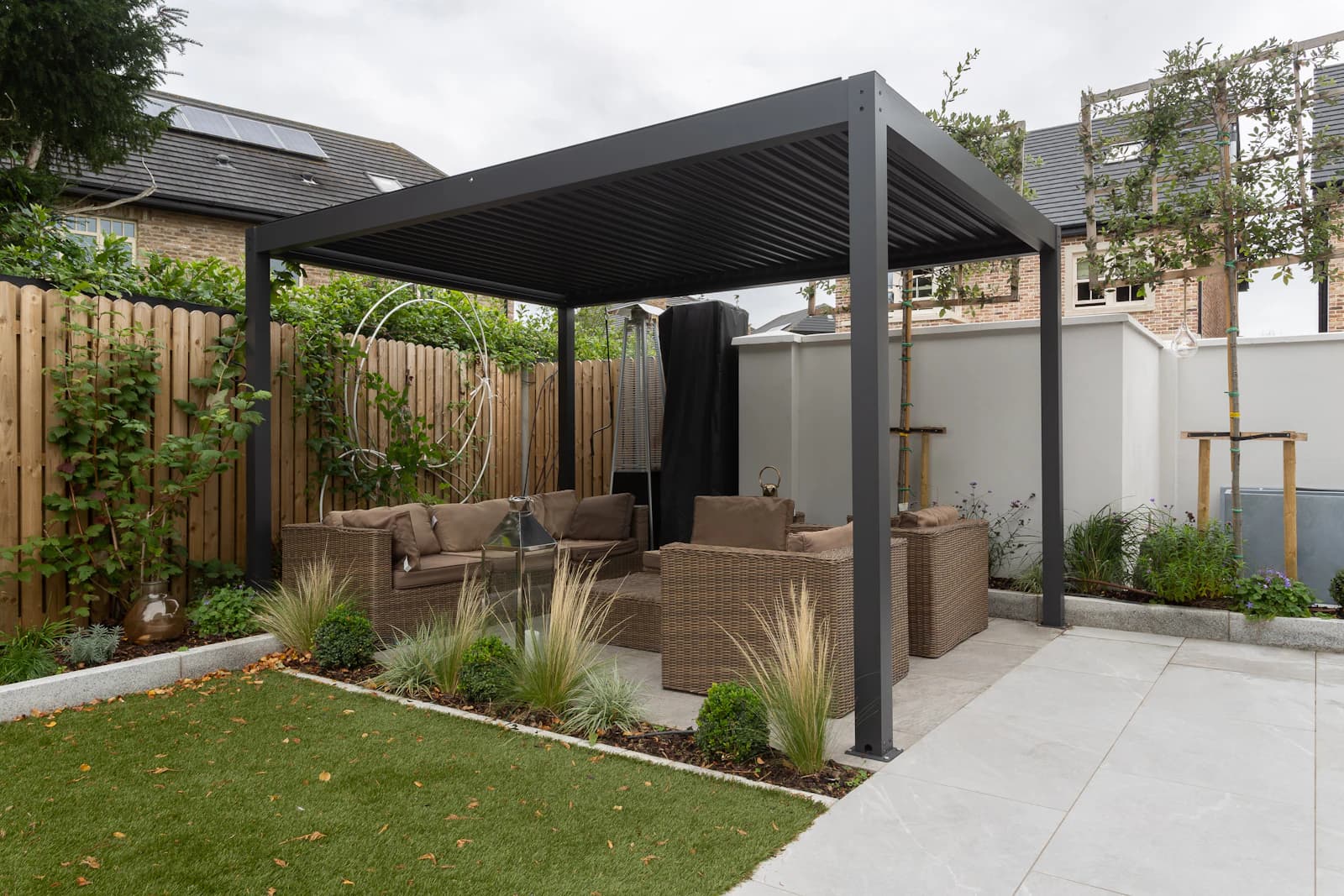
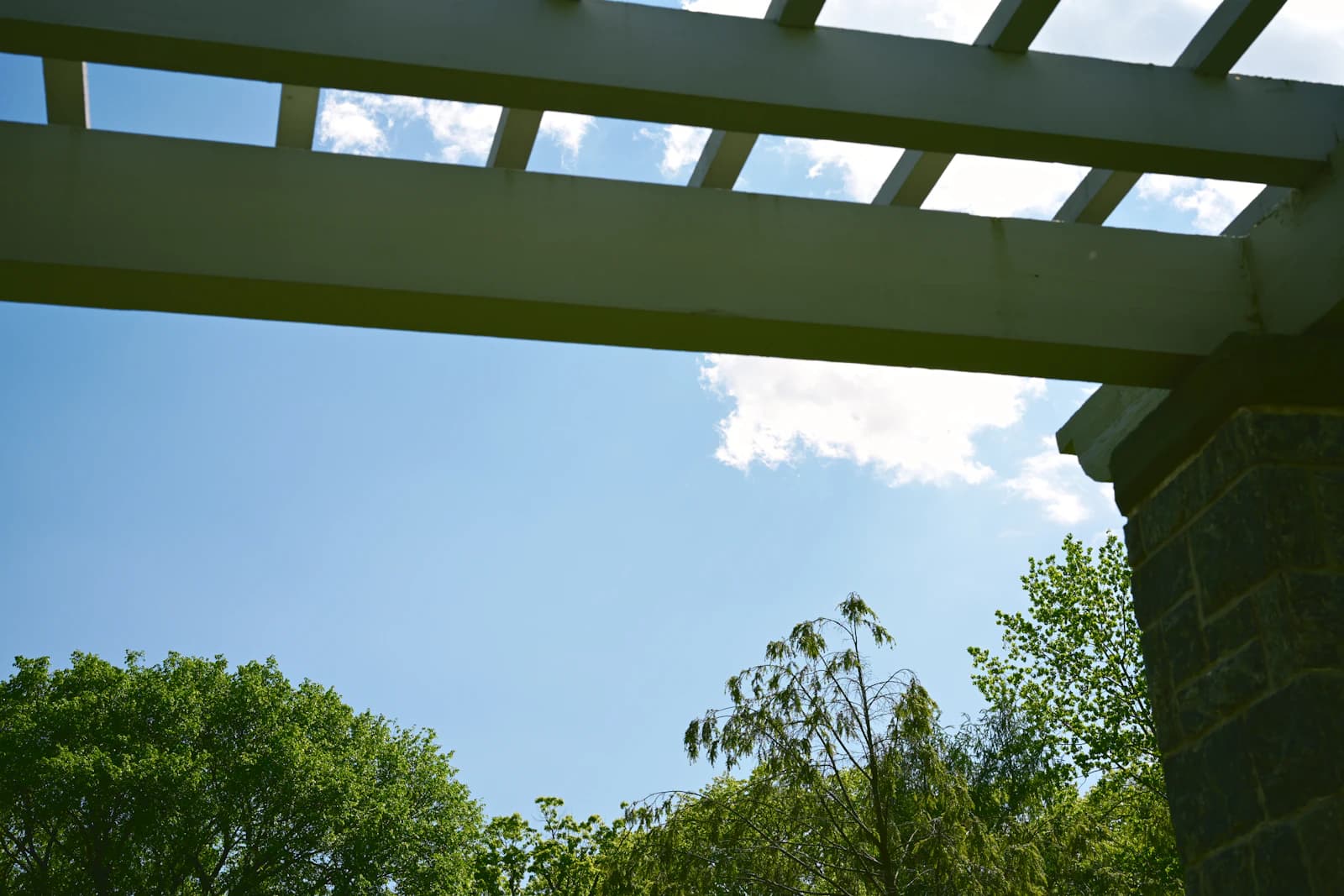
A pergola is an open framework of posts and overhead rafters/slats. It defines an outdoor 'room,' filters harsh sun into pleasant dappled shade, and supports string lights, fans, climbing plants and privacy panels — all while letting breezes through. What it doesn't do out of the box is keep rain off. Add a fabric or polycarbonate canopy for that, or step up to a louvered pergola whose slats rotate closed for on-demand full shade and rain shedding.
Solid deck cover: all-weather living
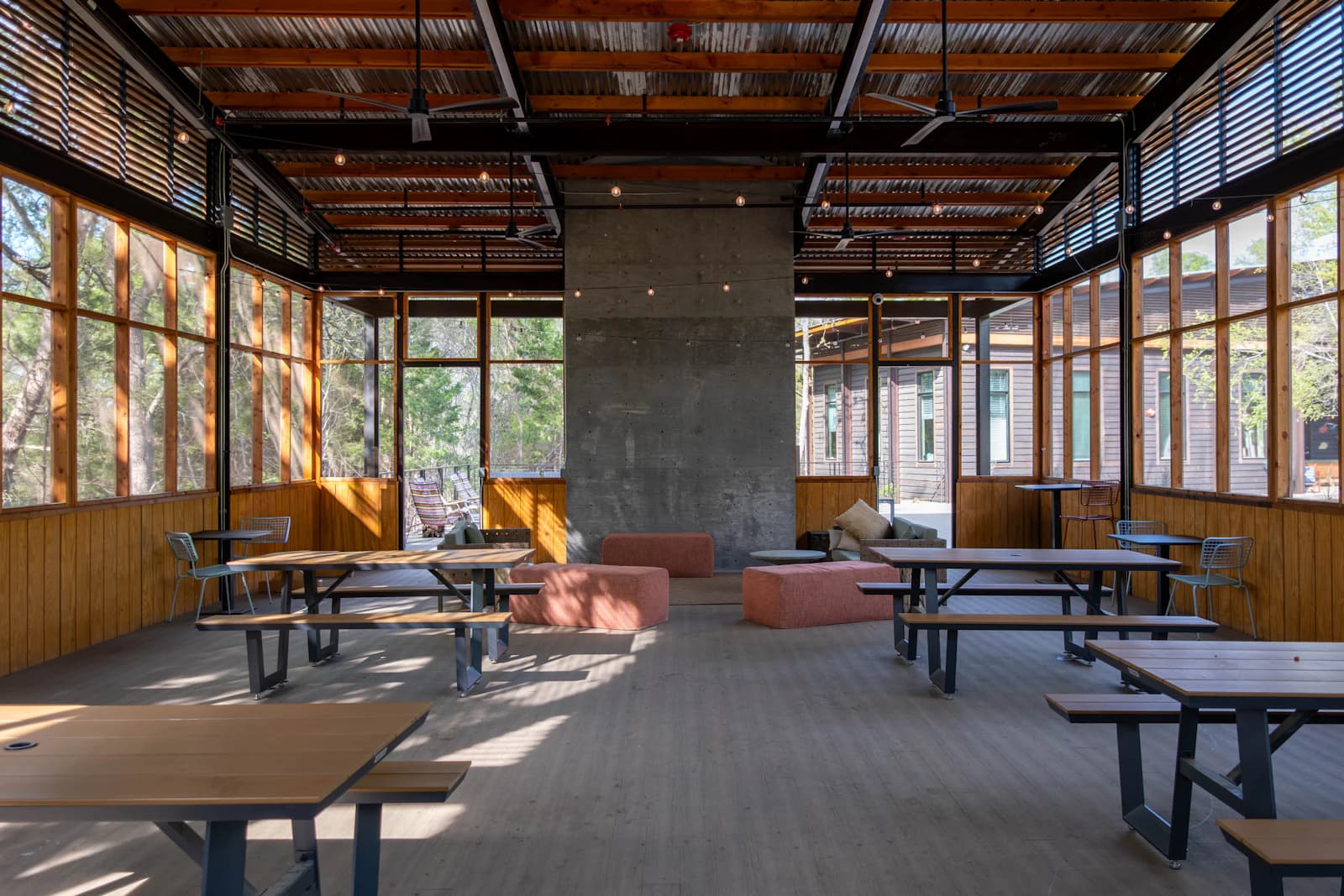
A solid roofed cover (often a patio-roof or a gable/shed roof tied to the house) makes the deck a true all-weather space: full shade, rain protection, and a ceiling you can finish with a fan, recessed lights and even a TV. It's the most expensive and most permit-heavy option because it's real roof structure — but it also does the most for how often you'll use the deck. It pairs naturally with a lighting plan.
Awning: flexible, lower-commitment shade
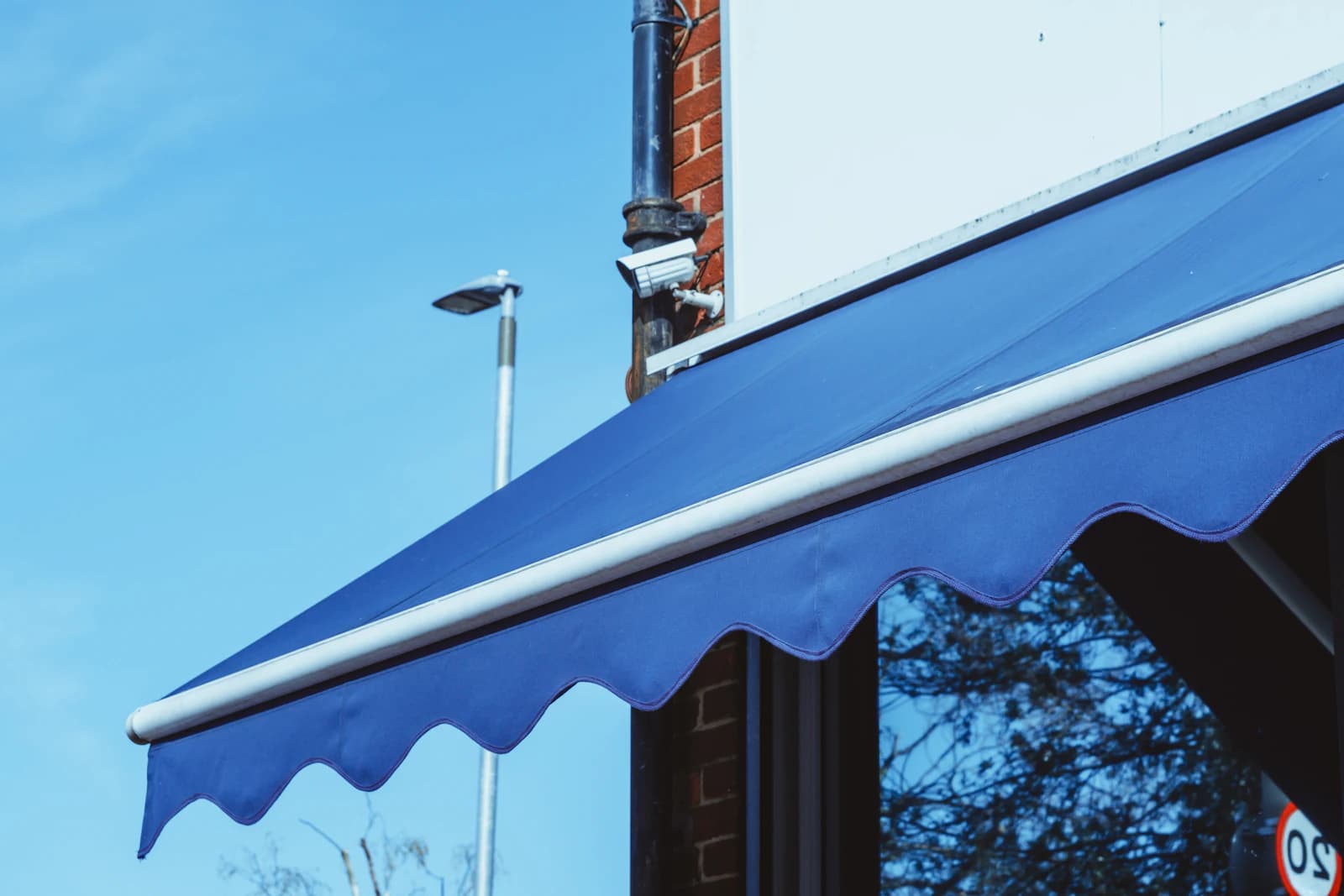
A retractable awning mounts to the house and extends over the deck when you want shade, then rolls away to reveal open sky. It's the lowest-commitment option — no posts, often no permit, and motorized versions extend at the push of a button. The limits: it only shades the area near the house, handles light rain at best, and must be retracted in wind to avoid damage.
Permits, structure and which to pick
Anything with posts and a roof — pergolas and solid covers — usually needs a permit, and its footings and connection to the deck must be engineered for wind and (for solid roofs) snow load. Don't just bolt a heavy cover onto an existing deck; the deck's framing and footings may need upsizing. Check the permit guide and confirm your deck can carry the load before you build.
- Pick a pergola for looks, dappled shade, and a spot for lights and plants.
- Pick a louvered pergola if you want adjustable shade + rain shedding without a full roof.
- Pick a solid cover for genuine all-weather use and a finished ceiling.
- Pick an awning for cheap, flexible, retractable shade with minimal commitment.
Frequently asked questions
Is a pergola or a solid deck cover cheaper?
A basic open-slat pergola at roughly $3,000 to $10,000 built is usually cheaper than a solid roofed cover at $5,000 to $15,000 or more, and kits sit well below the built figure. The ranges do overlap, and a louvered pergola at $6,000 to $20,000 can cost more than a modest solid roof, because its moving slats and motor are the expensive part. A retractable awning is typically the cheapest route to shade at $2,000 to $6,000 installed. What the price difference actually reflects is structure: a solid cover is real roof framing tied to the house, with its own snow and wind loading, engineered footings and a permit process, while a pergola carries far less load and an awning cantilevers off the house wall with no posts at all. Compare what each one lets you do on a wet afternoon before comparing the numbers.
Does a pergola provide rain protection?
A standard open-slat pergola provides very little. Its rafters and slats filter harsh sun into dappled shade and define an outdoor room, but rain passes straight through the gaps, so the deck stays unusable in a shower. Two upgrades change that. A fabric or polycarbonate canopy fitted over or between the rafters sheds water while keeping the pergola's lighter look, and is the cheaper retrofit. A louvered pergola, whose slats rotate closed, gives adjustable shade on demand and sheds rain when shut, which is why it prices between an open pergola and a solid roof at about $6,000 to $20,000. If rain protection is the main reason you want the structure at all, compare a louvered pergola against a solid cover directly rather than starting from an open pergola and adding to it.
Do I need a permit for a pergola or deck cover?
Usually yes for anything with posts and a roof. Both pergolas and solid covers normally require a building permit, and the review is not a formality: the footings and the connection to the house or deck have to be engineered for wind uplift and, in the case of a solid roof, for snow load. A solid cover tied into the house roof line may also trigger a structural review of that connection. Retractable awnings frequently do not need a permit because they add no posts and no roof structure, though attachment to the house still has to be sound and local rules vary. Adding integrated lighting to any of them can bring an electrical permit with it. Check locally before ordering, because the permit question often decides which option is realistic on a given deck.
Can I add a cover to my existing deck?
Sometimes, but never assume it. A solid roof adds substantial dead weight plus wind uplift and, in snow country, a live load that the original deck was never designed to carry. The load path runs from the roof through its posts into the deck framing, the deck posts and finally the footings, and any of those may need upsizing or reinforcement, particularly the footings, which are the hardest to change afterwards. Have the structure evaluated before committing to a design rather than after, because the answer changes the budget materially. Pergolas are lighter and sometimes attach to an existing deck without major work, though uplift still has to be resolved. Awnings avoid the question entirely by mounting to the house rather than the deck, which is part of their appeal on an older structure.
What's the best shade option for a deck?
It depends on which problem you are solving, and the four options solve different ones. A pergola is the choice for style and dappled shade with airflow, and it doubles as the structure that carries string lights, a fan, climbing plants or privacy panels. A louvered pergola suits anyone who wants to adjust the shade through the day and close it against rain, without committing to a roof. A solid cover is the only option that makes the deck genuinely all-weather, and it gives you a finished ceiling for lights, a fan or a television, which changes how often the space gets used. A retractable awning is the low-commitment answer: cheap, usually permit-free, and retractable on demand, at the cost of covering only the area near the house and handling light rain at best. Decide on protection first, then on price.
Related calculators
Related guides
Get matched
Want 2–3 free quotes for this exact deck?
We'll send your plan to vetted local builders. Free, no obligation.